Welcome to Living Our Journey 365

Practical Reality of living free
Nomadic By Nature begins the Practical Reality of Living Free arc, exploring how freedom on the road requires structure, discipline, planning, and responsibility. This post reflects on the real systems behind nomadic life, including water, power, money, maintenance, weather, and self-awareness.
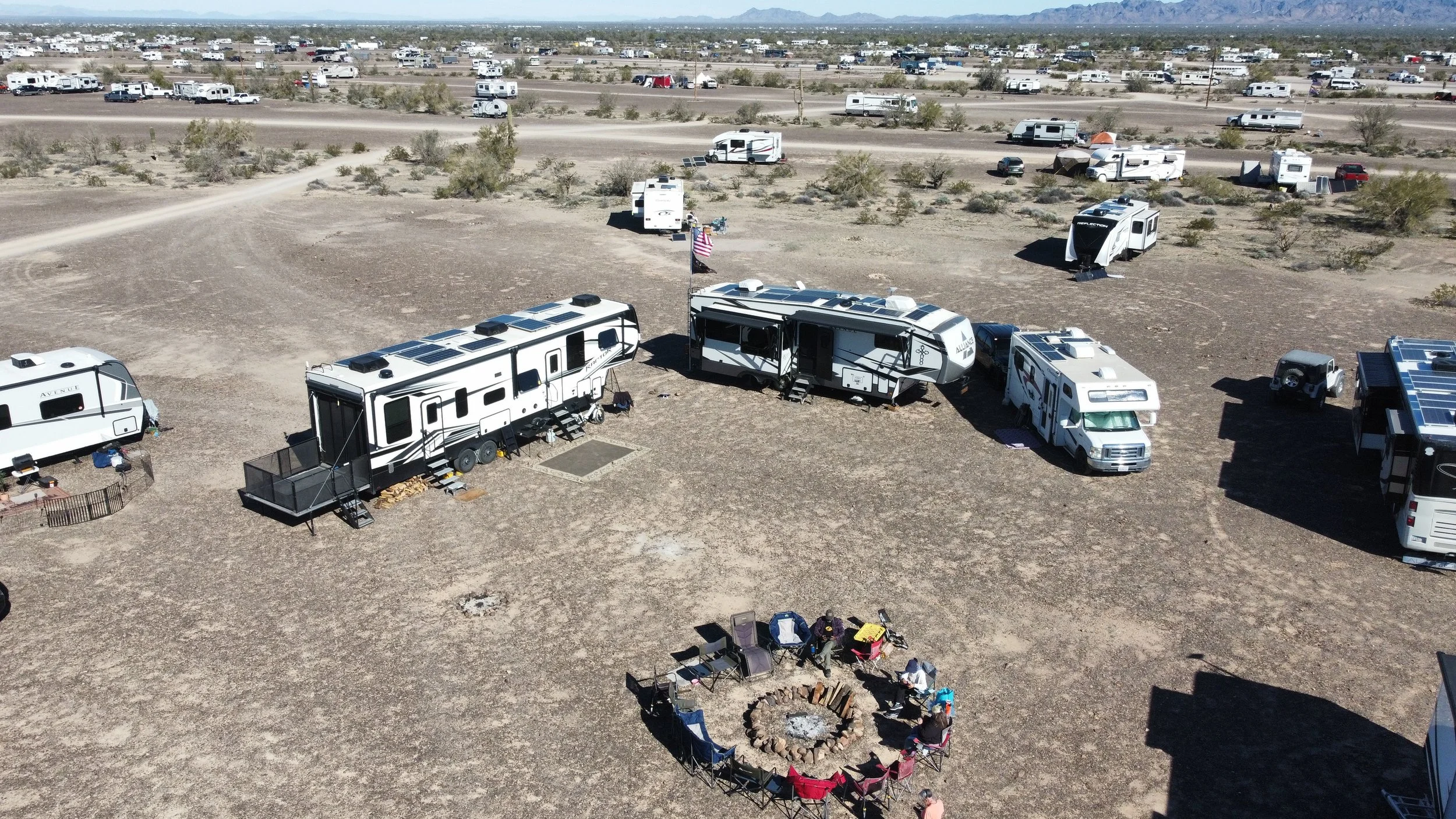
People see the open road, the sunsets, the quiet mornings, the changing landscapes, and the idea of waking up wherever we decide to park our home for a while. We see the romance of it; we also see the space and the escape.
What we don't always see is the planning that goes into it. Living free does not mean living without responsibility. In many ways, though, it means becoming more responsible than we ever have been before, because now the structure is no longer being handed to us, but we have to build it ourselves.
There always comes a point in the nomadic life when the dream has to meet the ideas in our head. In the beginning, most of us are drawn to the big ideas; we want out, we want space, we also want movement, and we always want to stop living a life that feels too small, or too predictable, or too crowded with obligations that no longer belong to us.
I understand all those feelings because what we are feeling is part of what brought us here in the first place, but once we make the leap, the road begins teaching us something very quickly. It starts to teach us that freedom is not a feeling, but freedom is practice, but freedom is also a system, and it is a daily relationship with the real things that keep our life moving forward.
The thing is we may want to view it, but we still have to know how much water is in our tank. You can want the silence, but we will have to make sure our batteries are charging; we can want the open road, but we still have to know where we want to go, or how to find a place to sleep. How far we can safely drive, and what the weather is going to do, but ultimately we also need to know if our rig is ready for all the miles coming ahead of us. The thing is that does not take away from the beauty of the life we choose to live; it protects it. One of the biggest lessons I have had to learn after all these years on the road is that the practical things are not separate from freedom; it is what makes freedom possible.
A lot of people imagine freedom as having no rules, but out here you learn that freedom without structure can quickly turn into stress. If you don't manage your water, you lose comfort; if you don't manage your power, you lose options; if you don't manage your money, you lose the ability to move; if you don't manage maintenance, you will lose reliability; and if you don't manage your emotions, you will lose peace, and that is the part nobody wants to put on a postcard or in your journal. The beautiful part of life still has responsibilities; the simple life also still requires attention, and there is nothing wrong with that. In fact, there is something deeply honest about it.
When we live this way long enough, we stop seeing responsibility as the enemy of freedom, and we begin to understand that responsibility is what allows us to have freedom and to also make it last, and that was the shift for me.
When I was still living my "other" life, just like a lot of people, I understood structure through the job I worked, the bills I had to pay, the deadlines I had to meet, the routines and the expectations. So much of that structure was built by someone else, and some of it was needed, but some of it was mostly noise, and some of it helped me survive, but a good part of it kept me locked into a version of myself I had already outgrown.
When I stepped into this life, I was not looking for chaos; I was looking for a life that felt like it finally belonged to just me, but also a life that belonged to me still had to be maintained by me as well.
That means the freedom that I live now is not careless; it is definitely intentional. I have to think about where I park, how I travel, how long I stay, how much fuel I may use, how much food I may want to carry, and what tools may be needed. I also have to maintain my rig by making all the repairs, and I have to watch the weather and how it is moving across the places I may visit. Trust me, all that may sound glamorous, but it is more reality than not, and that is where this life actually lives.
The nomadic life is not made of only mountain views, desert sunsets, campfires, and long empty highways; it is also made up of tire pressure checks, dumping tanks and checking batteries, route planning and making sure we have enough propane, but it's also about not pushing ourselves to our limits. That is not the complaint it sounds like; it is just the truth of everyday nomadic life. If we can make peace with that truth, this life becomes so much more sustainable because the practical side of living free does not ruin the dream; it only makes it better.
It truly takes freedom fantasy and turns it into a beautiful way of life. There is also a beautiful difference between wanting to be free and knowing how to live free. Wanting to be free, though, can be emotional. That emotion can come from frustration, exhaustion, loss, or pressure, or the quiet realization that the life we are living no longer fits, but knowing how to live free takes patience, humility, preparation, and it takes the willingness to learn from mistakes without letting those mistakes convince you that you do not belong out here.
Every nomad eventually learns the following: that the road will give you beautiful moments, but it will also ask questions of you like, do you know how your rig works, do you know what you actually need to be successful on your own, do you really know how much is enough, do you know when to move or when to stay because the weather may be shifting, or do you know how to just sit with yourself when there is no one else around. Those are the practical questions nomads get asked and answer almost every day, but they are also the personal ones that we have to make sure we know the answers to ourselves. That is why the next phase matters, because once the decision to live nomadically has been made, the questions become how do you actually do it? How do you build a life that is free, but not reckless, how do you stay open without being unprepared, how do you keep moving without running from yourself, how do you simplify your life without romanticizing the struggle, and how do you create peace without pretending the hard parts do not exist? That is the ground we are walking into now, the practical reality of living free, no sales pitch, no fantasy, not the highlight reel version either, but the real thing. The part of the journey where freedom has to become livable.
For me, this life has never been about proving that everyone should live the way I live; it has been about showing what happens when a person chooses to live a life with more intention, more honesty, and with more room to become who they truly want to be, but the best intentions need a plan. They honestly need discipline. Freedom needs caring. That care shows up in small ways: it shows up when you check the systems in your rig before something breaks, it shows up when you decide not to drive just because you are restless, it shows up when you budget for repairs instead of pretending nothing will ever break. It also shows up when you learn that comfort is not weakness and preparation is not fear, and it finally shows up when you stop chasing the image of nomadic life and start respecting the reality of it. That is when the road and nomadic life begin to change you, not because it is easy, but because it asks you to become more aware of life and more aware of your resources, habits, surroundings, limits and choices, and maybe most importantly, aware of the fact that freedom is not something you escape into.
Freedom is something you learn how to carry.
So as we move into this next chapter of Nomadic By Nature, I really want to talk more about what it really takes to live free, not just emotionally, not just spiritually, but practically, because this does not remove responsibility from our lives; it gives us the chance to choose which responsibilities are worth carrying forward, and that is the difference.
Living free is not about having no obligations; it is about building a life where the obligations finally start making sense, and once we understand that, then the practical things stop feeling like a burden, and start to become a part of the freedom we are seeding.

Nine Years Later, I’m Still Becoming
Nine Years of Full-Time RV Life: I’m Still Becoming
After nine years of full-time RV living, Nathan reflects on freedom, fear, personal growth, and how the road continues to shape the person he is becoming.
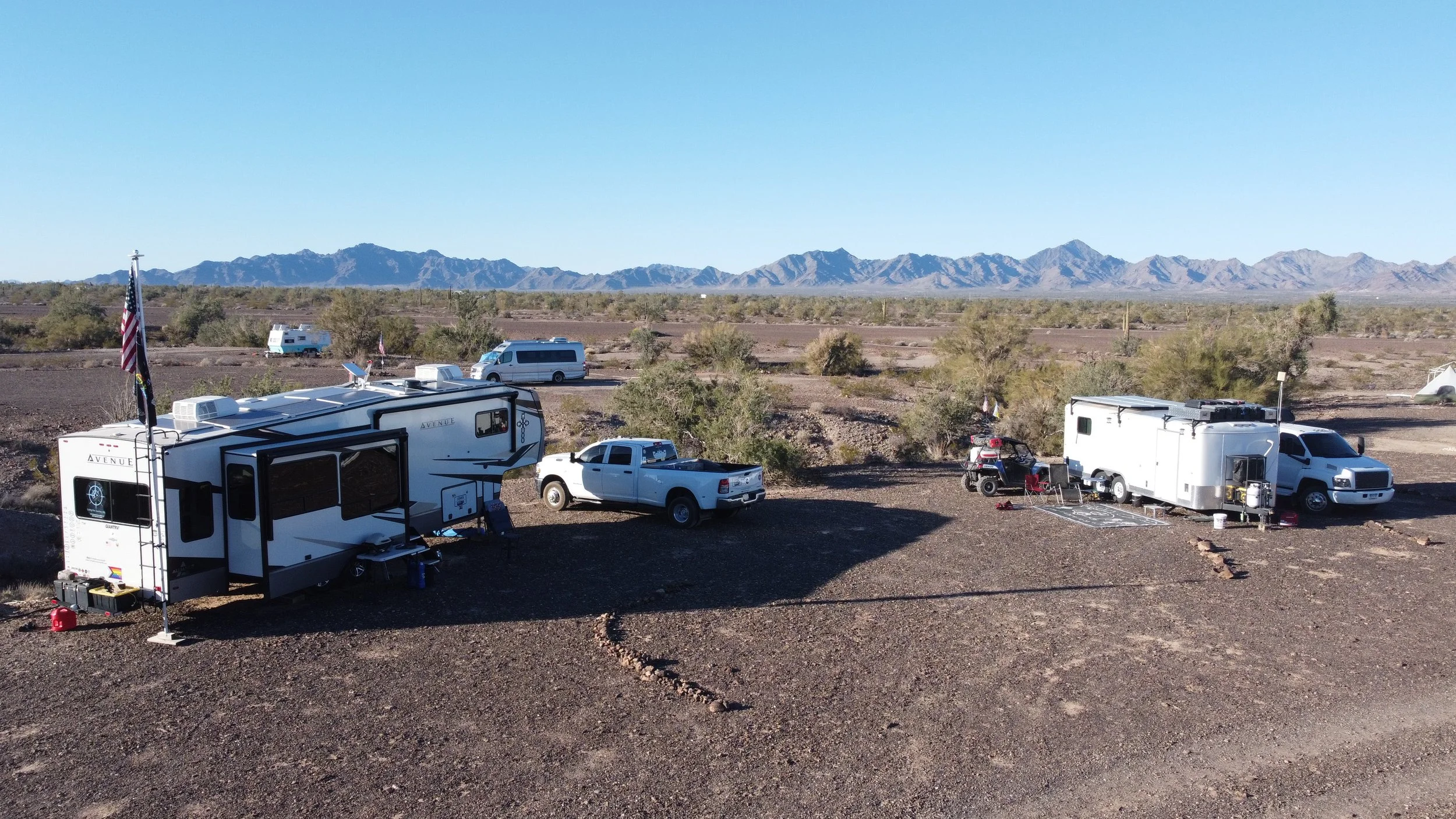
On July 17, 2017, I pulled away from the life I knew and began living full-time on the road.
I had sold my townhome, bought a 27-foot fifth wheel, and committed myself to a life I had spent years imagining. I did not know exactly where the road would lead. I only knew that the life I had been living no longer felt large enough for the person I was becoming.
Nine years later, I live in a different fifth wheel. I have traveled thousands of miles, awakened beneath more skies than I can count, and learned lessons that could never have been taught inside a classroom.
Yet, after all this time, I have not arrived at some final version of myself.
I am still learning.
I am still changing.
I am still becoming.
The man who left on July 17, 2017, was not completely fearless, but I was determined, but determination and certainty are not the same thing.
I had spent years preparing for the practical side of the journey. I knew how to tow, maintain equipment, manage electrical systems, plan routes, and solve problems. I had worked hard, served 21 years in the Navy, built a career, and learned how to carry responsibility, but there were things the road would demand from me that no checklist could prepare me for. I would have to learn how to be alone without feeling abandoned. I would have to understand that silence was not emptiness, and I would have to stop measuring my life by the expectations of people who were not living it.
Most importantly, I would have to discover that freedom was not simply the absence of a permanent address, but that freedom would require me to take responsibility for every decision, every mistake, and every direction I chose. I sometimes look back at that man with gratitude. I did not know everything, but I knew enough to begin, and that was all I really needed.
People often see the photographs, the sunsets, the open roads, and the wide desert skies. Those things are real, and they remain some of the greatest gifts this life has given me. However, they are not the entire story.
Nine years on the road also means breakdowns, wrong turns, maintenance, severe weather, difficult decisions, and nights when the isolation feels heavier than the freedom.
It means constantly paying attention to water, power, fuel, tires, batteries, weather, and the condition of the road ahead. It means recognizing that every beautiful campsite comes with a certain amount of responsibility.
This life has tested my patience, judgment, confidence, and ability to adapt. It also has exposed weaknesses I could previously hide beneath routine. When something goes wrong in the middle of nowhere, there is no pretending it is someone else’s responsibility. The thing is you figure it out, or you learn to ask for help, and then you just continue to learn more.
Then you continue, and that process has changed me far more than the miles themselves.
For a long time, I thought becoming a full-time nomad would be the transformation.
I believed that once I sold the house, bought the rig, and left, I would become the person I had imagined. In some ways, I did. But the road did not hand me a finished identity.
It gave me the space to question the one I already had.
My fifth wheel is my home, but it is not who I am. The truck is a tool. The solar panels, batteries, maps, and campsites make the lifestyle possible, but none of them defines the person living it.
The deeper transformation has taken place internally.
I have become more comfortable with uncertainty. I no longer need every part of the journey to be explained before I take the next step. I have learned that a change in direction is not always evidence that the original plan failed, but sometimes changing direction is evidence that I finally started listening to myself.
Nine years on the road have not made me immune to fear, I still question decisions, I still wonder whether a particular road is worth taking or whether I am prepared for what comes next. I still experience moments when the familiar feels safer than the unknown.
The difference is that fear no longer gets the final vote.
I have learned that courage rarely feels heroic while we are practicing it. Most of the time, courage is quiet. It is making the phone call, turning the key, taking the exit, accepting the uncertainty, or admitting that something no longer fits. Courage is continuing even when confidence has not caught up with the decision.
The road has not removed my fear. It has taught me that I can move with it.
When I first started, freedom looked like movement. It meant being able to leave, travel, explore, and wake up somewhere new. It was the ability to decide where I wanted to go without asking anyone’s permission, but today, freedom has a deeper meaning.
Freedom is having enough self-awareness to know when to move and when to remain still. It is understanding that I do not have to chase every destination or turn every experience into content. It is the ability to sit quietly in the desert and feel that nothing is missing.
Freedom is no longer only about escaping a life that did not fit, but it is about intentionally building one that does. That construction never really ends, and each season asks something different from me. The freedom I needed nine years ago helped me leave, and the freedom I need today is helping me become more honest about where I am going and why.
Every version of growth has required me to leave something behind. Sometimes it was a possession. Sometimes it was a place, a relationship, a plan, or an old belief about who I was supposed to be, but the thing is letting go is not always dramatic. Occasionally, it happens so quietly that we do not realize it until we look back and notice that something which once controlled us no longer carries the same weight. The road though has taught me not to hold too tightly to any version of myself.
The man who started this journey deserves my respect, but I do not owe him permanent loyalty. He made choices based on what he knew at the time. My responsibility now is to continue growing with what I know now, and that becoming means allowing yourself to change without treating your former self as a mistake.
Nine years ago, I thought I was beginning a journey across the country, but I now understand that I was beginning a journey into myself. The geography has been beautiful, but the internal landscape has been far more demanding. The road has confronted me with questions I could avoid when my life was crowded with routine. Like who am I without the titles? What do I need when nobody is watching, what am I still carrying that no longer belongs to me?, and what does freedom require of me now?
I do not have final answers to all those questions, and the cool thing is I am not sure I ever will, and that no longer bothers me.
There is no finish line where I become completely healed, completely wise, or completely certain. There is only the next experience, the next lesson, and the next opportunity to become more honest about the person I am.
So here we are nine years later, I am proud of the life I have built, but I am even more grateful for the person this life continues to reveal. I am not the same man who pulled away in that first fifth wheel on July 17, 2017, but i absolutely carry parts of him with me, and also his curiosity, determination, and willingness to take the first step, but the cool thing is the road has softened some edges and strengthened others. It has taught me that becoming is not a weakness or evidence that I still have not figured everything out.
Becoming is the work.
After nine years, thousands of miles, two fifth wheels, countless campsites, and more lessons than I could ever document, I am still unfinished, and I hope I always will be, because the moment we decide we have become everything we are capable of becoming is the moment we stop paying attention to where life is trying to lead us next.
Nine years later, I am still here.
I am still moving.
I am still Becoming.
What the Road Teaches You About People
When familiar labels disappear, character becomes easier to see.
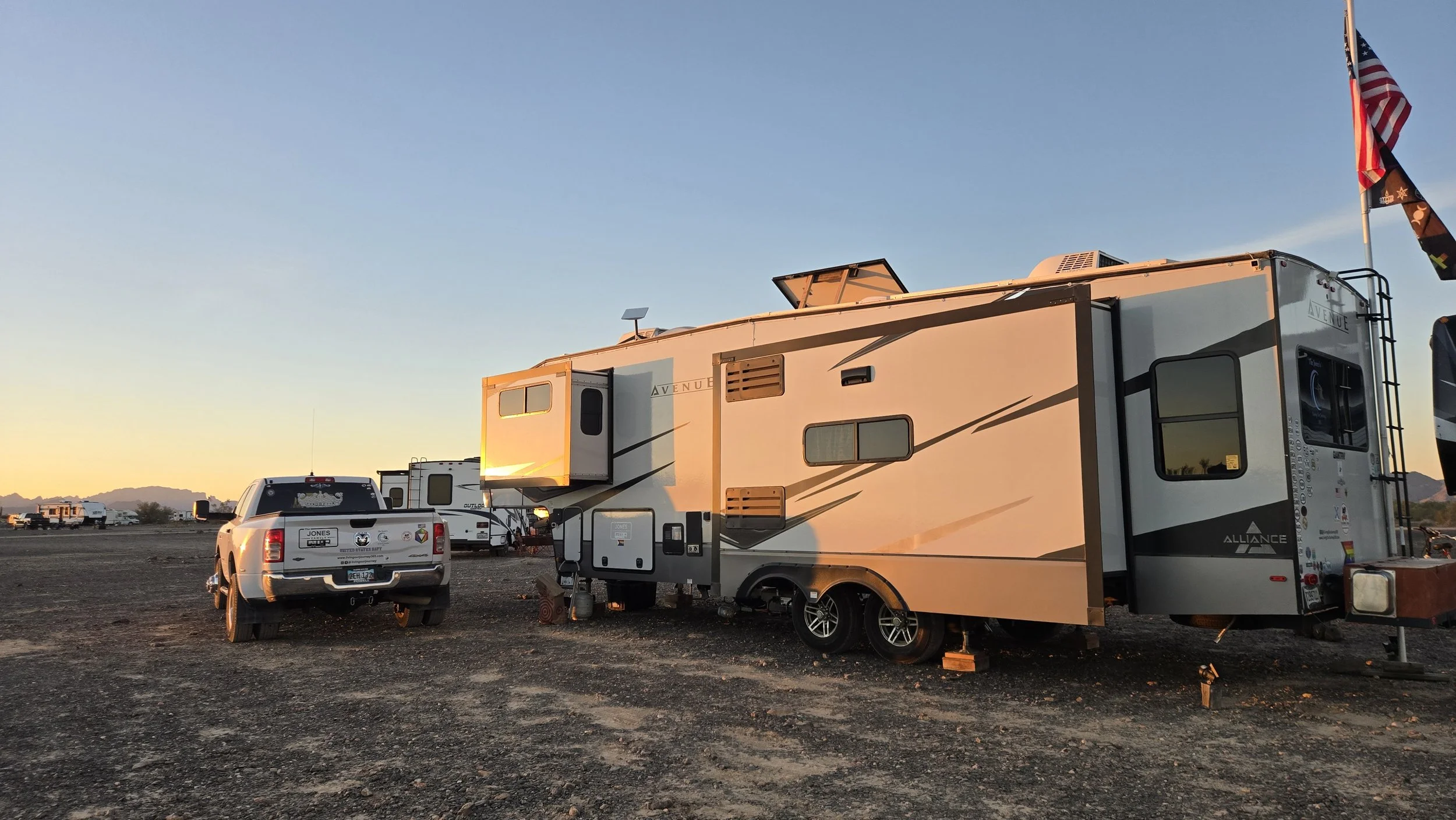
Before I ever started living on the road, most people in my orbit came from predictable spots. We worked in the same offices, lived a few doors down from each other, or maybe we were in the same social circles and shared the same friends. There was usually a clear framework for every relationship.
The road changes that. It strips away the structure.
Out here, you meet people without knowing a thing about their resume or their politics. You do not know their income or where they grew up. Often, all you know is the kind of rig they drive or the state on their license plate. Maybe the only thing you know is that they just pulled into the campsite right next to yours.
And you know what? Sometimes that is plenty.
Almost ten years of full-time travel has shown me that people are way more complex than the little boxes we try to fit them into. Some folks will blow you away with how generous they are. Others might let you down, even if they say all the right things. A total stranger might jump in to help you without thinking twice, while someone you thought you could count on suddenly disappears.
The road does not teach you that every single person is good. It just teaches you to actually pay attention.
Introductions out here are different.
In normal life, people usually lead with their jobs or what they own. On the road, none of that matters much. A person might show up in a massive forty-foot motorhome or a beat-up van held together by duct tape and hope. Neither one tells you a thing about who they are inside.
You really start to see someone when the wind picks up and their awning starts flapping loose. You see who they are when they are stuck on the shoulder with a flat tire. You learn about them when they run out of water, need a specific tool, or just need another human being to sit with them for a bit. That is where the formal introductions stop and character starts talking.
The road has introduced me to people I never would have crossed paths with in my old life. We came from different worlds and carried different beliefs. In a normal setting, we probably would have walked right past each other. But the road put us in the same spot at the exact same time.
Sometimes those quick meetings turned into a real conversation. Sometimes that conversation turned into a friendship. Other times, it was just a small moment of kindness between two people who were never going to see each other again. Not every connection has to be permanent to matter.
Kindness is usually quiet out here.
Some of the best things I have seen on the road happened without an audience. Nobody was filming for social media. There were no cameras or big speeches about community. Someone just saw a need and stepped up. A tool showed up right when something broke. A meal was shared without making anyone feel weird about it. Someone helped guide a big rig into a tight spot. A stranger gave a heads-up about a storm or a safer place to park. Then everyone just moved on with their day.
That kind of kindness sticks with you because it is not a performance. It does not look for praise or a way to be repaid. It is a reminder that decency is still a thing, even if it does not get the same attention as all the bad news in the world. The loudest people are not always the ones helping. Often, the people who actually make a difference are the ones who just walk over and ask if you need a hand.
People will surprise you, too.
Traveling has taught me not to lean too hard on appearances. Someone might look nothing like the people you usually hang out with and still be exactly who you need to talk to in that moment. Then someone else might look familiar and speak your language but turn out to be someone you cannot trust. Appearances give you data, sure, but they do not tell the whole story.
That is a heavy lesson, especially as a Black traveler moving through places I do not know. I cannot just pretend history did not happen or that everywhere is safe for me. I have to be aware. Instinct matters. In some spots, being cautious isn't about fear, it is just wisdom you earn from being out here.
But I have also realized that being careful does not have to be a wall. There is a balance between keeping yourself safe and closing yourself off to everything new. The road keeps asking me to find that middle ground. I can stay sharp without assuming everyone is out to get me. I can trust my gut without letting fear run the show. I can give someone a chance to show me who they are while I keep an eye on what they actually do.
That is the big part. People reveal themselves eventually. Not by what they say, but by their patterns.
You have to watch what people do. Who is checking on the older traveler out there alone? Who steps in to help the person who clearly does not know how to back their trailer into a site? Who actually takes care of the land when there is no ranger around? On the flip side, who runs a loud generator right outside someone's window all night? Who leaves their trash behind? Who gives advice with patience, and who uses someone else's lack of experience as a chance to act superior?
Those little actions tell you everything. Anyone can talk about community, but the real test is when it is inconvenient. Community is easy when the sun is out and everyone is hanging around a campfire. It means more when a storm hits or a truck won't start right when you were planning to relax. You do not learn who people are when things are easy. You learn when helping costs them something, like their time or their energy.
A lot of these connections are just meant for a season.
Life on the road is full of temporary ties. You might share a spot with someone for a week, talk for hours under the stars, and feel like you have known them forever. Then one morning, one of you leaves. You might promise to stay in touch. Sometimes you do, but honestly, a lot of times you do not.
I used to think every meaningful connection had to last. The road taught me I was wrong about that. Some people are just there for a specific stretch of the trip. They give you some laughs, a bit of perspective, or some encouragement when you are down, and then your paths split. That does not mean it wasn't real. Just because it was temporary doesn't mean it was small. We usually judge relationships by how long they last, but time isn't the only way to measure value. Some people can be in your life for years and not know you. Others can sit with you for an hour and say something you will never forget.
The road teaches you to appreciate people while they are there instead of trying to make everything permanent.
But boundaries still matter. Community does not mean people get total access to you. Being out here has taught me to love connection, but it also made my boundaries stronger. Some people think being friendly is an invite into every corner of your life. Others bring a lot of chaos and expect you to help carry it. Being compassionate does not mean you have to give up your peace. You can help someone without taking on their problems. You can be kind without ignoring red flags. The road is wide open, but your life still needs a door. You get to decide who comes inside.
Most people are carrying stuff you cannot see. The retiree in the fancy rig might be mourning their spouse. The couple in the old van might be trying to restart after losing everything. The person out there alone might not be lonely at all, they might finally be at peace. You almost never know the full weight someone else is lugging around.
Knowing that does not excuse bad behavior, but it gives you some room for patience. It reminds me not to judge someone entirely on one interaction. Sometimes people are just jerks. But other times, they are just having one of the worst days of their lives. Wisdom is figuring out which is which without letting your own well-being get trashed.
In the end, the road reveals you, too. It is easy to talk about what you learn about others, but it also shows you who you are. Do you help? Do you listen? Do you respect someone else's space? Do you leave a place better than you found it? Can you disagree with someone without being a jerk?
The road is a mirror. Every person you meet is a chance to decide who you want to be. I have not always nailed it. I have misjudged people, stayed guarded too long, or trusted the wrong person. Every one of those moments taught me something. I have learned to stay open, but not reckless. I am helpful, but I won't be used. I am cautious, but I am not living in suspicion.
The goal isn't to trust everyone. It is to get better at seeing who people really are.
The road hasn't convinced me that people are all good or all bad. It has just shown me that most of us are a messy mix of generosity, fear, and kindness. We are just human. I have met strangers who made me believe in people again and others who reminded me why I need to be careful. I have found kindness where I didn't expect it and tension where I thought I would be comfortable.
The lesson isn't to trust everyone or to fear everyone. It is just to stay open enough to be surprised, sharp enough to see the reality in front of you, and strong enough to walk away when it is time. The road introduces you to a lot of people. Some will stay with you for years, and some are just there for a few miles. Every one of them shows you something, not just about the world, but about yourself. If you keep your eyes open, the road will teach you how to see people clearly without losing your faith in them.
The Quiet Discipline of a Nomadic Life
The Quiet Discipline of a Nomadic Life
From an outsider's perspective, nomadic life often appears to be the epitome of freedom. People envision open roads, serene campsites, breathtaking desert sunsets, majestic mountain vistas, and mornings unburdened by alarm clocks. They see picturesque photographs taken beside tranquil lakes, beneath expansive skies, or in remote locations where neighbors are miles away.
However, what often goes unseen is the profound discipline required to sustain this freedom. The constant vigilance over dwindling water supplies, the careful monitoring of battery levels before powering another appliance, and the meticulous attention to weather forecasts, maintenance schedules, fuel calculations, and financial decisions are all integral parts of this lifestyle. There is also the essential restraint needed to operate within the inherent limits of a chosen nomadic existence. While a nomadic life may seem spontaneous, enduring freedom is rarely accidental; it is the product of quiet, daily discipline.
One of the greatest draws to nomadic life is the autonomy to make personal decisions. Nomads choose their destinations, the duration of their stays, and when to move on. They can awaken by the ocean, spend a month in the desert, or chase cooler temperatures into the mountains. Their schedules are their own in a way they may never have experienced before. Yet, freedom does not eliminate limitations; it merely shifts the responsibility of managing them to the individual.
In a conventional home, water flows effortlessly from the faucet, electricity is readily available with the flip of a switch, and trash vanishes weekly. While inconvenient, the weather typically does not dictate whether one's home must relocate. On the road, these aspects become part of daily awareness. Nomads quickly learn that freedom is not the absence of responsibility, but rather the willingness to accept it without relying on others for management. This inherently demands discipline.
Water is one of the first resources that fundamentally alters a nomad's perspective. When the water supply is confined to the capacity of a tank, every gallon becomes precious. Long showers are shortened, faucets are not left running unnecessarily, and dishwashing methods adapt. Nomads begin to proactively consider where they will replenish their tanks and how long their current supply must last.
This shift does not necessarily feel like deprivation; over time, it evolves into heightened awareness. Water teaches mindful consumption, dispelling the assumption that an endless supply will always be available. It encourages an understanding of the distinction between genuine needs and habits ingrained by abundance. This lesson extends far beyond the water tank; learning to conserve one essential resource often cultivates greater thoughtfulness about all others.
Living with solar power transforms one's relationship with electricity. The sun cannot be commanded to shine simply to operate a microwave, induction cooktop, air conditioner, or coffee maker. Some days offer an abundance of energy, while others bring clouds, shorter daylight hours, or shade that limits production. The thing is nomads learn to adapt to these conditions rather than ignore them.
Laundry may be postponed until batteries are fully charged, and high-draw appliances are typically used during peak solar production. On cloudy days, unnecessary loads are reduced. Battery levels, inverter capacity, and expected weather become integral to the daily rhythm. While not always convenient, this teaches cooperation with natural elements. Energy is no longer perceived as something that appears without consequence; instead, it is recognized as a resource that must be collected, stored, and managed. This discipline is often invisible; no one sees the decision not to use an appliance due to a cloudy forecast, all that they see is the idyllic instagram or facebook photograph of a campsite beneath a beautiful sky. A beautiful rig sitting in the background and a clear star filled sky.
While a nomadic lifestyle can reduce certain expenses, it does not eliminate the need for financial discipline. This is usually the most talked about or asked about topic from those who want to be nomads, and even among nomads who are hoping to live a little more free.
Fuel, campground fees, and unexpected repairs still incur costs. Tires wear out, and insurance, food, internet service, vehicle registration, healthcare, and general maintenance continue regardless of the scenic beauty. Nomadic life can be affordable, but only when one is honest about what is financially sustainable. It is easy to overspend while chasing new destinations, upgrading equipment, or attempting to replicate every household convenience within a vehicle or RV. It is also easy to compare one's life to online personalities whose budgets, incomes, sponsorships, or debt levels are unknown. Discipline means understanding one's own financial figures. It entails slowing down when fuel prices are high, opting for public land when the campground budget is depleted, and postponing non-essential upgrades. It also means maintaining an emergency fund, as something inevitably will break. Financial freedom is not achieved by pretending money is irrelevant; it is created by refusing to let careless decisions jeopardize that freedom. If you are interested to learn more about the financial needs of nomads, check out my ebook "How Do Nomads Actually Make Money" is available on amazon. This topic is why i felt the need to put into writing one of the most asked or talked about subjects for wanting to be nomads and even among nomads trying to live a little more free.
Many imagine nomadic travel as having the freedom to go anywhere, anytime. However, the weather often dictates otherwise. Strong winds can ground a vehicle when movement was planned. Extreme heat can render a beautiful location unsafe. Freezing temperatures pose a threat to plumbing and batteries. Heavy rain can transform an easy dirt road into a treacherous trap. Snow can close mountain passes, and wildfire smoke can necessitate an earlier departure from an area than anticipated. The disciplined nomad learns to respect the forecast. This involves checking conditions before travel days, understanding the limitations of their rig, and being willing to alter plans. It means accepting that sound judgment is more important than rigidly adhering to an itinerary. There is no reward for towing through dangerous winds or enduring extreme temperatures merely to prove a point. Sometimes, discipline manifests as movement; other times, it means staying exactly where one is.
Every nomadic home is also a vehicle, and every vehicle eventually requires attention. Roofs must be inspected, and tires, bearings, brakes, seals, batteries, plumbing, solar equipment, and suspension components must be monitored. Small problems must be addressed promptly to prevent them from escalating into costly emergencies. While luck plays a role, consistent attention, understanding how systems function, conducting regular inspections, and correcting issues early are crucial. Maintenance is not the glamorous aspect of the lifestyle; no one builds a social media following by posting pictures of roof sealant, wheel bearings, water leaks, or battery connections. Yet, these ordinary tasks are what sustain the journey. Freedom has moving parts, and if ignored long enough, they will inevitably assert their existence.
The most challenging resource to manage may not be water, power, or money, but oneself. When there is no boss dictating a schedule and no permanent address establishing a routine, structure must be self-imposed. Nomads must decide to maintain their health, complete their work, keep their space organized, remain financially responsible, and stay connected to important people. They also decide when enough is enough.There is always another destination, another upgrade, another experience, or another piece of equipment promising to enhance the lifestyle. Without self-control, freedom can inadvertently become another form of restless consumption. The road does not automatically instill discipline; it merely reveals one's willingness to become disciplined. It exposes habits without the familiar structures that once concealed them. This can be uncomfortable, but it can also be one of the greatest gifts of this life.
Discipline Is what keeps freedom free. After more than nine years on the road, I no longer view discipline as the antithesis of freedom; instead, I see it as the very structure that safeguards freedom. Managing water allows for extended stays in beautiful locations. Managing power keeps my home functional. Managing money ensures the lifestyle remains sustainable. Monitoring the weather keeps me safe. Performing maintenance keeps the wheels turning. Practicing self-control prevents the life from controlling me. None of this is particularly dramatic; most of it unfolds quietly through small decisions repeated daily. This is why people often overlook it. They perceive the freedom because freedom photographs beautifully. Discipline, however, usually occurs outside the frame.
A nomadic life is not sustained by sunsets and open roads alone. It is sustained by awareness, restraint, preparation, adaptability, and the willingness to take responsibility for every aspect of the chosen life. The beauty is real, and the freedom is real, but so is the work required to protect it. The longer I live this way, the more I understand that freedom is not merely the ability to do whatever I want. It is the ability to build a life I value, and the discipline to keep that life from slipping away. That is the quiet discipline of a nomadic life. It may not always appear in the photographs, but it is present in every mile that allows the journey to continue.
Stay Safe and Be Free.
What Nobody Tells You Before You Start
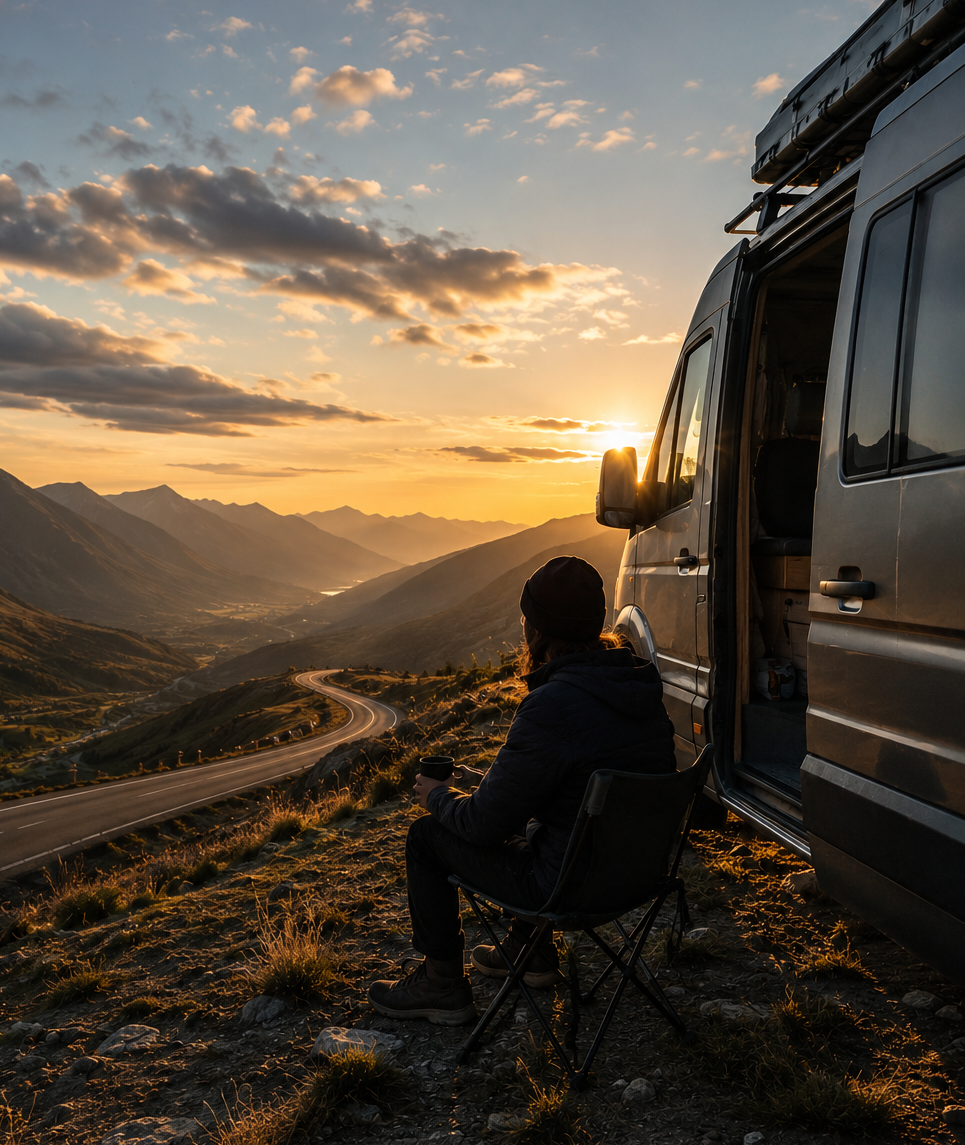
When I began living and traveling full-time on July 17, 2017, I had a plan or at least something that looked like one.
Nomadic by Nature is a reader-supported publication. To receive new posts and support my work, consider becoming a free or paid subscriber.
I had a Navy pension, years of preparation behind me, and a belief that I could build a meaningful life with far less than everyone said I needed. Before taking that final step, I worked everything out on paper. The numbers looked reasonable. The plan seemed solid. On paper, the road was predictable.
The actual road, however, was not nearly as kind.
My preparation for this life had begun years earlier. After retiring from the Navy in 2004, I continued working a full-time job while slowly planning for the day when I could finally live on the road. During those years, I traveled part-time in a 1995 Chevrolet 3500 duelly. I traveled in my trusty old red Chevy dually for many years as I transitioned from Navy life to civilian life and continued using it for part-time travel and adventure.
That truck was never intended to be my permanent home. It was persay a classroom. That gave me a place to test the life, learn what I could live without, and discover what I would eventually need for the long term.
I budgeted as though the road would cooperate with me, as though nothing major would break, change, or go wrong.
It did not take long for the road to correct that assumption.
So 13 years later in 2017 and on a whim, a 27-foot fifth wheel was purchased, the townhome was sold, and the part-time adventures became a full-time life. There was no traditional home waiting in the background anymore. The rig was home, and the road became part of everyday living.
What follows is not a checklist I copied from the internet. These are lessons that survived real life. Some began behind the wheel of my Chevrolet duelly along stretches of the California coast and across wide-open desert landscapes. Other lessons learned after moving into the fifth wheel and discovering the difference between traveling part-time and living this life every day.
Many people only saw those amazing places from thirty thousand feet in the air or they flew over them. I was down there living in them, driving through them, and allowing them to change me.
Almost every new nomad wants the rig that will solve every possible problem before they have experienced a single problem worth solving.
I understand that because I once thought the same way.
It is easy to convince yourself that you need more space, more equipment, more storage, and more comfort before you can begin. You start preparing for every possible situation, including many that may never actually happen.
The truth is that you do not fully know what you need until you begin living the life.
My years of traveling part-time in the Chevy taught me more about my actual needs than any brochure, floor plan, or online discussion ever could. They helped me understand the difference between what looked useful and what was genuinely necessary.
The road will tell you what matters, what does not, and what you probably never should have purchased in the first place. It is not shy about correcting you.
Start smaller than you think you need. Keep the setup simple. Learn how you actually live before investing in the imaginary version of yourself you believe will exist on the road.
Let your real life determine your upgrades later.
That is what I eventually did. I began my full-time journey in a 27-foot fifth wheel, lived and traveled in it for five years, and upgraded to a 35-foot fifth wheel in 2022. The larger rig came after years of experience had shown me what I wanted not before I had enough experience to know the difference.
Nobody wants to hear this lesson, but ignoring it is one of the fastest ways to bring the dream to an end.
Know your monthly number before you begin planning your route.
Understand what it will cost to fuel the rig, maintain the rig, insure everything, eat, camp, repair what breaks, and manage the expenses you did not see coming.
There will always be expenses you did not see coming.
I had a Navy pension when I began full-time nomadic living, but that did not remove the need to plan carefully. A dependable income provides stability, but it does not make poor financial decisions disappear. Fuel still costs money. Tires still wear out. Equipment still fails. Unexpected repairs still seem to arrive at the least convenient moment.
I have watched people romance their way into a beautiful rig and completely out of a bank account within the same season.
The freedom people are chasing is often arithmetic wearing a bandana.
That may not sound romantic, but it is true. Freedom becomes much more difficult to enjoy when every unfamiliar sound from the truck or rig creates financial panic.
Know what comes in. Know what goes out. Understand the difference between the cost of taking a trip and the cost of maintaining an entire life on the road.
Do the math first.
Then allow yourself to dream.
My journey began with part-time travel in my red Chevy dually. When I officially became a full-time nomad in 2017, I moved into a 27-foot fifth wheel. Five years later, I upgraded to the 35-foot fifth wheel I continue to live and travel in today.
Each setup represented a different season of the journey.
The walls changed, but the work did not.
There was always something to repair, something to learn, and something that operated differently than I expected. Every vehicle and rig had its strengths, its limitations, and its own way of reminding me that it was a machine not a permanent answer to every problem.
The real work is learning how to respond when something breaks. It is understanding what your rig can handle while also accepting what they cannot. It is also learning how to adjust your plans without allowing every interruption to feel like a personal failure.
It is also making peace with a life that does not come with a permanent traditional address, a familiar neighborhood, or a clear answer about where you will be several months from now.
That is the actual education, the rig is simply where many of the lessons take place.
Build room into your time, your money, your travel plans, and your expectations.
The road does not punish people for planning. It punishes plans that leave no room for real life.
A mechanical failure, a sudden weather system, an illness, a closed road, or a change of heart about where you want to be next month does not automatically have to become a crisis.
It becomes a crisis when your plan depends on everything going exactly right.
Give yourself extra travel days. Keep money available for repairs. Avoid committing every dollar before the month begins. Leave enough room in your schedule to stay when a place feels right or to leave when it does not.
Do not create a route so rigid that you are forced to travel through dangerous weather simply because a reservation or deadline says you should. Do not spend so much purchasing the rig that there is nothing left to maintain it. Do not assume that because a journey looks simple on a map, it will unfold that way on the ground.
Life out here requires flexibility.
A rigid plan may look impressive on paper, but the road has never cared much about paper.
My years in the red Chevy dually gave me valuable experience, but those adventures were still part-time.
I had a job to return to. I had a traditional home base. Even during longer trips, there was still a familiar life waiting for me when the adventure ended.
That changed on July 17, 2017.
When the townhome was sold and the 27-foot fifth wheel became home, traveling was no longer something I did temporarily. It became part of how I lived.
That distinction matters.
Part-time travel can teach you how to pack, navigate, camp, conserve resources, and handle yourself away from home. Full-time nomadic living asks different questions.
Where will you receive mail? How will you manage healthcare? What happens when your home needs repairs? How do you maintain relationships when you are constantly moving? How do you build routines without becoming trapped by them? How do you remain grounded when your physical surroundings continue to change?
Traveling shows you the road.
Living on the road shows you yourself.
Nobody tells you that one of the hardest parts of starting may have very little to do with routes, campsites, equipment, or logistics.
Sometimes the hardest part is the silence.
It arrives after the familiar life disappears behind you and nobody is asking what time you will be home. There is no supervisor waiting, no daily commute pulling you forward, and no established structure telling you what comes next.
I had spent twenty-one years in the Navy. After retiring in 2004, I spent another thirteen years working a conventional full-time job while preparing for this life.
That is more than three decades of structure, responsibility, schedules, deadlines, and expectations.
None of that simply disappeared from my mind during the first weekend on the road.
For a while, I did what many new nomads do.
I kept moving down another road, to nother town, or to another destination.
More miles gave me something to focus on. Movement created its own kind of structure and kept me from sitting too long with the quiet.
Eventually, I realized that the silence was not something I needed to escape.
It was part of the reason I had chosen this life.
The quiet gave me room to separate who I actually was from the roles I had carried for decades. It helped me understand that freedom was not simply the absence of a work schedule or a permanent address. Freedom also meant learning how to direct my own days without needing someone or something else to constantly define them for me.
Give yourself time to sit with that.
Let the old routines unwind naturally. Do not feel pressured to fill every day with movement simply because you finally have the freedom to go anywhere.
You do not need to prove that you are nomadic by constantly changing locations.
Sometimes the most important part of the journey begins when you stop driving long enough to hear yourself again.
There is no perfect way to begin this life.
You can research every rig, calculate every expense, study every route, and prepare for every problem you can imagine. Preparation matters. It can save you money, reduce unnecessary stress, and prevent avoidable mistakes.
But preparation will never remove every uncertainty.
At some point, the plan has to leave the paper.
The road will challenge some of what you believed, confirm other parts, and introduce lessons you never knew you needed. It will expose the difference between the life you imagined and the one you are actually prepared to live.
That is not a sign that you failed to plan.
That is simply how experience works.
Nomadic by Nature is a reader-supported publication. To receive new posts and support my work, consider becoming a free or paid subscriber.
I spent years preparing before I officially began living nomadically on July 17, 2017. Even after all that time, I still had things to learn. Nearly nine years later, I am still learning.
Start smaller than you think you need. Understand your money. Leave room for the unexpected. Remember that the rig is a tool, not the purpose of the journey.
Most importantly, allow life to teach you.
Always remember this one lesson:
“The road will not always be kind, but it will usually be honest”.
What Remains When You Stop Carrying It
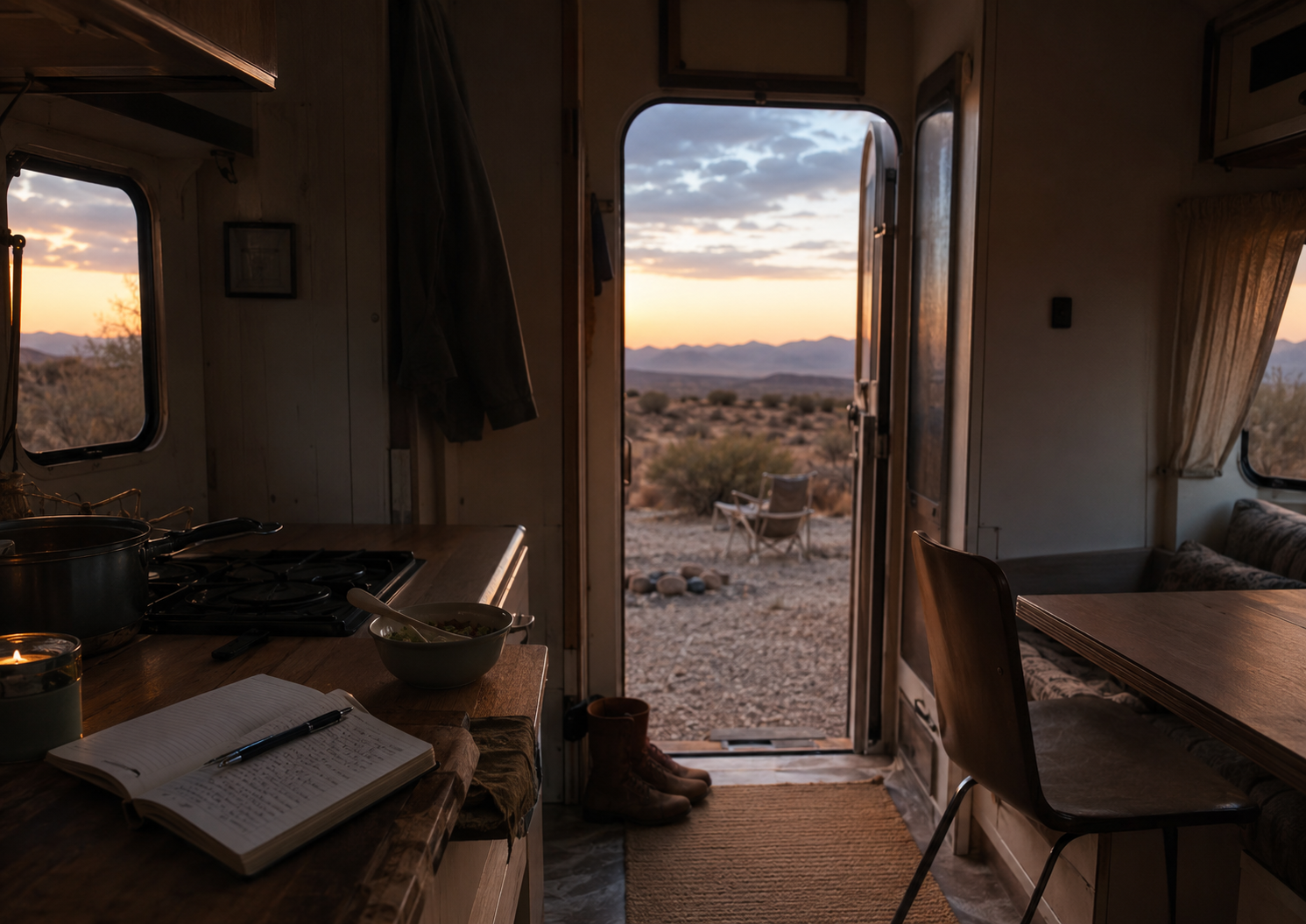
For two posts, I've explored the process of letting go, releasing possessions, shedding roles, and overcoming the invisible burden of striving to appear free rather than genuinely being free. My writing on this topic has been candid, reflecting that the journey took longer and was more painful than I anticipated.
However, I never fully concluded the story. While I described the cost of relinquishing something, I never revealed what truly remains in your hands afterward.
This post will address that missing part of the narrative, not the initial leap or the moment of release, but what comes after both have been accomplished.
I once believed that clarity would announce itself, that one morning I would awaken with a clear sense of arrival, much like a submarine crew feels the vessel level out upon surfacing. However, life, much like a submarine, does not operate that way. There is no single definitive morning; instead, there is a continuous series of ordinary days that gradually transform from mere survival into a life that genuinely feels like your own.
After nine years, I can tell you that the "spaciousness" people describe feeling one supposedly experiences after letting go of their former self is not a feeling at all. It is an absence, a quiet that emerges when you cease narrating your life to prove its success. I no longer check if I am happy; instead, I simply notice, on some evening with the door open and dinner half-prepared, that I am not checking. That, in itself, is the profound discovery. Freedom was never destined to feel like triumph; it feels like no longer needing to ask the question.
I still experience difficult days. The path of life does not exempt anyone from hardship, and anyone who suggests otherwise is merely performing for an audience. What has changed is the meaning of a difficult day. Previously, a challenging day threatened my entire structure, making me question if I had made a mistake or if the life I had built was truly mine or merely a costume I had yet to shed. Now, a difficult day is simply that—a difficult day. It no longer jeopardizes anything because nothing is riding on it. I am no longer trying to prove a thesis; I am simply living a life, and living a life inherently includes unfavorable weather, both external and internal.
Another observation I have made is how little I feel the need to explain myself. For years, every choice came with an attached defense: why I left the Navy when I did, why I chose a rig over a house, why I do not measure my days as most people do. I no longer construct those defenses, not because I have stopped caring what people think, but because I no longer require their agreement to affirm that my life is working. That was the true purpose of letting gon, ot minimalism or detachment, but the simple ability to stand by your own choices without needing an external witness.
If there is a central thesis to this entire trilogy, distilled from three posts and roughly a year of my life, it is this: you carry yourself with you wherever you go. You gradually recognize who that self truly is, beneath what you were instructed to be. Then, if you are willing, you release everything that is not that self. What remains is not a superior version of your old life; it is simply you, finally visible, with nothing left to hide behind.
I do not know if this marks the end of who I am becoming; I doubt it is. However, it signifies the conclusion of this particular ascent, from the man who left the Navy seeking quiet, through the years of discerning what quiet truly demanded, to whoever is writing this sentence tonight with the door open and nothing left to prove.
If any part of this trilogy resonated with you on your own journey, whether on the road or off it, I would appreciate hearing where it found you. Please reply to this post or find me on Notes. New posts will continue weekly, and the next series will begin from this point.

You Bring Yourself With You: The Emotional Reality of Full-Time Nomadic Life
What nobody tells you about changing your life: the grief, loneliness, identity shifts, and emotional realities that happen after you finally start living differently.
Nine years on the road taught me that freedom doesn't erase the old version of yourself — it forces you to finally meet him.
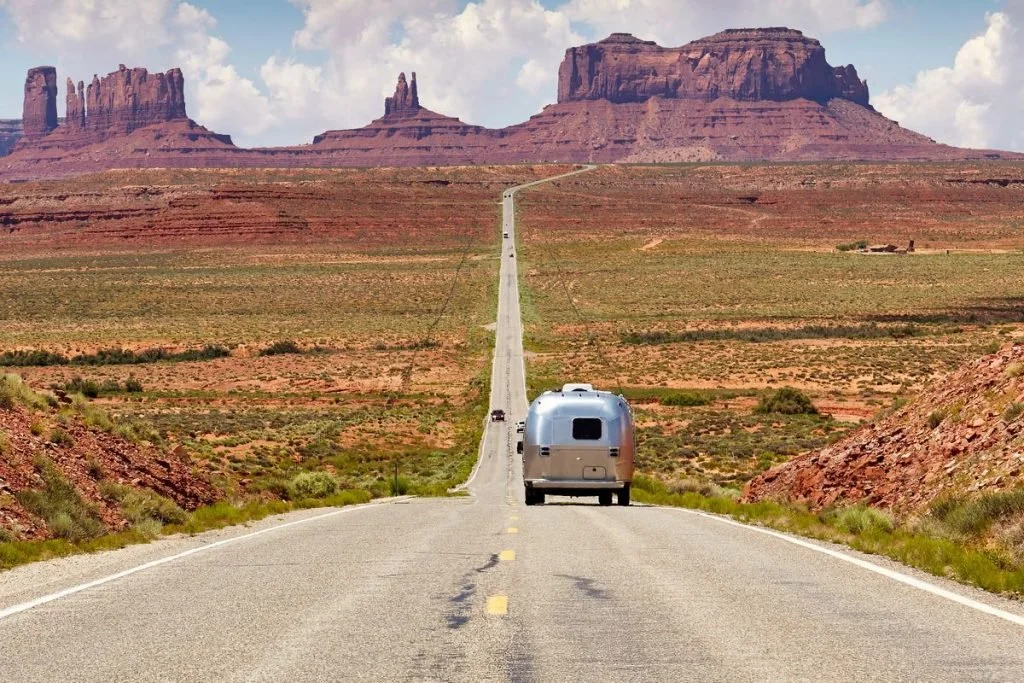
I've watched a lot of people imagine leaving.
The day they quit. The day they buy the rig. The day they pull out of the driveway. The day freedom finally begins.
I was one of them.
I imagined the road would solve things. Not all at once — I wasn't naive about that. But I genuinely believed that the low hum of dissatisfaction I'd carried through years of conventional life would slowly dissolve once I was living on my own terms.
And to some extent, it did.
But nobody told me something important before I left: starting a new life doesn't erase the old version of yourself. You bring him with you.
The Quiet That Catches You Off Guard
I remember those early months on the road with unusual clarity. The excitement was real. So was the fear. Every day brought something new — a different landscape, a mechanical problem to solve, a logistical challenge I hadn't anticipated.
But what surprised me most wasn't learning how to live nomadically.
It was learning how to sit with myself.
No distractions. No packed calendar. No identity built around job titles or the social expectations that had quietly structured my life for decades. Just me, the rig, and an open road.
That quiet turned out to be the most confrontational thing I'd ever experienced.
Because when life gets quiet enough, you start hearing the things you've been outrunning. The doubts you never fully examined. The grief you filed away and never came back to. The dreams you'd written off as irresponsible before anyone could tell you they were foolish.
And sometimes — if you stay quiet long enough — you realize that the person you thought you were was built largely from expectations that were never really yours to begin with.
The road removes the scaffolding. What's left is just you.
The Grief Nobody Warns You About
Nobody tells you that freedom comes with grief.
That's a sentence I've said out loud in campfire conversations more times than I can count, and every time it lands the same way — like something the person across from me had been waiting for someone to name.
You grieve the old routines. The familiar rhythms that, even when they weren't serving you, at least told you what came next. You grieve old identities — the professional one, the local one, the social role that gave other people something to point to when they described who you were.
You grieve relationships that no longer fit. Not because those people did anything wrong, but because you're moving in a direction they're not, and distance — geographic and otherwise — reveals which connections were built on proximity versus something more durable.
Sometimes you grieve the version of yourself who spent years trying to make everyone else comfortable while quietly becoming a stranger to himself.
Even when leaving is the right call — even when you know it in your bones — there is still loss.
And loss deserves to be acknowledged. Not minimized. Not reframed as a trade-off. Just acknowledged.
The Loneliness That Doesn't Fit the Story
There's a kind of loneliness that life on the road produces that doesn't show up in the content about it.
Not the physical loneliness of distance from familiar places — most people anticipate that one. This is the emotional loneliness of changing faster than the people around you. The loneliness of realizing that some of your friendships were built on shared routine rather than genuine connection. The loneliness of growth that creates distance you didn't ask for and can't entirely bridge.
I've sat in places that should feel like triumph — mountain overlooks, empty desert mornings, beaches so quiet the water sounded loud — and felt completely, inexplicably alone.
Not because I regretted being there. But because becoming someone new sometimes means letting go of people who only knew the old version of you. And there's a specific ache in that. A loneliness born not of failure, but of becoming.
It doesn't last forever. The community you build on the road — slowly, in campgrounds and forums and chance encounters that somehow turn into lasting friendships — has a particular quality to it. Built on shared values rather than proximity. Built on genuine recognition rather than familiarity.
But in those early miles, before that community has time to form, the loneliness can be real and deep.
You're not doing it wrong if you feel it.
What the Road Actually Changes
People ask me regularly whether the road changed me.
Yes. Completely.
Not because I found myself — that's always felt like too tidy a phrase for what actually happens. You don't find yourself like a misplaced item. You build yourself, continuously, out of experience and confrontation and deliberate choice.
But the road changed me because it removed the buffer. It took away the noise — the busyness, the social obligation, the constant external structure — that had let me avoid the harder questions for years.
In the quiet of those early mornings before the day started, in the long stretches of road between destinations, in the discomfort of having nowhere to rush to and nothing to hide behind — I finally had to meet myself honestly.
I stopped running from myself.
Nine years later, I can say that honestly. And I can also say it remains the hardest journey I've taken.
If You're in Those Early Miles
If you're in the first months and something feels harder than you expected — you're not doing it wrong.
If you're grieving something you can't quite put a name to — you're not ungrateful.
If you've sat in a beautiful place and felt alone in a way you didn't anticipate — you're not broken.
The emotional realities of this life don't mean you chose wrong. They mean you're alive, growing, confronting the parts of yourself that comfort once kept hidden.
The road may not give you all the answers. But it has a way of teaching you better questions.
Freedom isn't always exciting. Sometimes freedom is quiet. Sometimes freedom is lonely. Sometimes freedom is sitting outside under a desert sky wondering who you're becoming.
And then waking up the next morning.
And choosing to find out.
Nathan is the creator of Nomadic By Nature and has lived full-time on the road for nine years across RV, van, and Skoolie platforms. Nomadic By Nature publishes weekly on Substack and at NomadicByNature.net.
When No One Knows You, You Get to Decide Who You Are
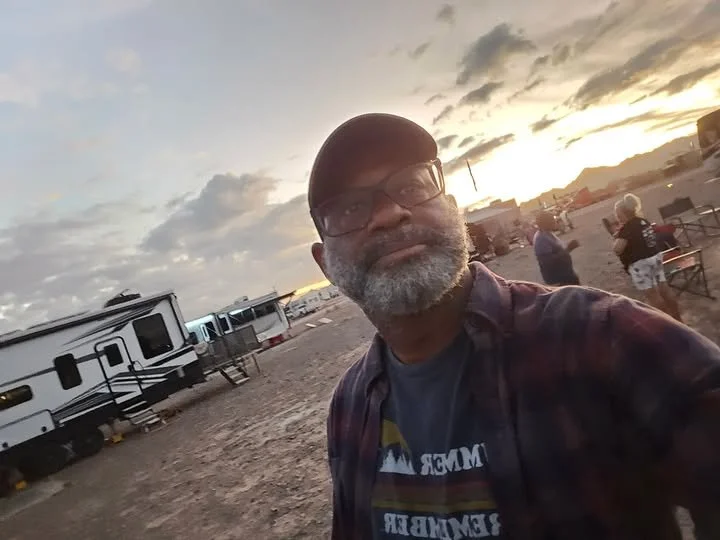
Identity and the Nomadic Life
When No One Knows You, You Get to Decide Who You Are
In a fixed life, identity accumulates through other people's memory of you — slowly, without your active participation. The nomadic life removes that accumulated identity entirely, offering something both liberating and demanding in its place.
The Freedom of the Blank Page
Every new place is a fresh introduction. No one holds an outdated version of you. You arrive as who you are now — not who you were. Growth doesn't need to be negotiated against fixed impressions. You inhabit who you've become simply by showing up.
The Hidden Danger
Without the continuity of being known over time, drift becomes possible. Successive reinventions without a stable internal core can lead to becoming whoever seems appropriate for each new context rather than someone genuinely, consistently themselves.
What It Requires
The nomadic life is excellent at stripping away false identities — those built on job titles, neighborhoods, and social roles. It requires active work to replace them with something genuine: values and a long view of self that don't depend on external confirmation to hold their shape.
What Nine Years Built
The parts of identity that are genuinely yours hold without external confirmation. The parts that required other people's memory to survive turn out to be lighter than expected. What remains after enough miles is something closer to the essential self — the one that was always there, underneath the sediment.
What identity turned out to be genuinely yours — and what was sediment you were carrying for others? Share in the comments.

Someday Is the Most Expensive Lie You'll Ever Believe
At Nomadic By Nature, we're talking about the word that quietly costs more than anything else — someday. What it is, what it costs, and what nine years of nomadic life taught me about how to stop living inside it.
Someday Is the Most Expensive Lie You'll Ever Believe
Someday isn't a plan. It's a feeling dressed as a strategy — a way of keeping a dream alive while keeping action safely deferred. After nine years of fulltime nomadic life, here's what that word actually costs.
What It Actually Costs
The cost of someday compounds annually. Every year spent waiting is a year of the life you wanted that doesn't return. The most common thing I hear from people on the outside of the nomadic life is some version of: I've been thinking about this for years. And when asked what's been in the way, the answer is almost never a genuine immovable obstacle. It's someday — wearing a different costume each time.
The Myth of Ready
Readiness is not a state you arrive at before the change. It's built by the change itself. Nobody who made a significant life shift felt fully ready before it happened. The confidence came from doing, not from waiting to feel prepared. The conditions will never be perfectly aligned. At some point you make a decision with the conditions you have.
What the Road Teaches
Nomadic life kills someday practically. The weather window closes. The campground moves on. The moment is here or it passes. After nine years, the muscle that says now instead of someday is among the most valuable things this life has built.
The Question Worth Sitting With
What is someday costing you — specifically, not abstractly? What version of your life is waiting behind that word for conditions that may never arrive?
The most expensive thing you'll ever buy is the time you spent waiting to start.
What has your someday been — and what moved you past it? Share in the comments.
The Cost Of Freedom
Freedom is one of the most romanticized ideas in modern life.
People picture mountain roads, endless skies, campfires in the desert, waking up wherever the wheels stop turning, they also picture escape, peace, simplicity, and what they rarely picture is the cost. Not the financial cost, but the internal one, because freedom will ask you to sacrifice comfort long before it rewards you with peace.
The cost of freedom will also strip away routines you once depended onc, and will expose the habits, fears, and distractions that kept you feeling safe. It will also force you to confront silence without drowning it out with noise, and if you keep going anyway, eventually you realize something: Freedom was never about running away, but it was actually about finally becoming honest with yourself.
One thing about me is I used to think freedom was a destination, sort of a place somewhere beyond the horizon where life would suddenly make sense.
Maybe it was a different city, or maybe a dirt road in the middle of nowhere, or maybe a life without clocks, obligations, or expectations, but after years of chasing movement, I learned something difficult.
Nomadic by Nature is a reader-supported publication. To receive new posts and support my work, consider becoming a free or paid subscriber.
I learned that difficult thing you can was you can change your location without changing yourself, you can drive a thousand miles and still carry the same fears in the passenger seat, the thing is that realization changes you, because eventually the road stops being about escape, and it becomes about confrontation.
The road also has a way of stripping you down to who you really are. The with no distractions, and no polished image, but a carefully curated identity, just about you.
Then there are some days, that honesty is heavier than expected, that there is a version of freedom nobody talks about, but it was the lonely version.
The version where you question whether walking away from normal life was brave or reckless.
The version where you miss people you thought you had outgrown.
The version where you realize stability has value even if you never truly belonged inside it.
Social media though rarely shows that side, and nobody posts the uncertainty. Also nobody is willing to post the nights where doubt gets louder than confidence, or post the exhaustion of constantly rebuilding yourself, but that side exists in you, and in many ways, it is the price of becoming something different, because growth is really uncomfortable.
Real growth though is not aesthetict, it is not filtered, and it is not cinematic. Sometimes growth looks like sitting in silence trying to figure out who you are after removing everything that once defined you, and that process can feel brutal.
The truth is, freedom demands responsibility not the kind society talks about, or the mortgages, or promotions, and not chasing approval. I mean responsibility for your own existence. When you stop living according to everyone else’s expectations, there is nobody left to blame for the direction of your life. That realization can either break you or wake you up, because once you accept ownership over your life, excuses become harder to hold onto. You either move forward intentionally, or you drift, and drifting is dangerous. Especially when you convince yourself that movement alone equals progress, which I learned that the hard way.
There were moments where I confused escape with evolution, and moments where I thought distance automatically meant healing. Moments where I believed solitude alone would create clarity. The thing is sometimes it did, and sometimes it didn’t, but every mile taught me something.
Mostly what it taught me was that freedom without direction eventually becomes isolation, and that is why purpose matters. It was not perfection, or certainty, but purpose even if it changes over time.
People often ask why someone would choose this kind of life, why leave stability behind? Why abandon predictability? or why trade comfort for uncertainty?
The answer is complicated, because some people were never meant to spend their lives sleepwalking through routines that slowly drain them.
Some people feel it early, and also the pull toward something bigger. Something undefined, or something impossible to explain.
It is not always about travel either, and it is not always about adventure.
Sometimes it is simply about refusing to betray yourself any longer, and also it is that refusal changes everything.
Once you realize you are living a life that no longer aligns with your spirit, staying the same becomes more painful than changing, and that is where the journey begins, it is not when you leave, but when you decide you cannot keep pretending.
I think many people are searching for freedom without realizing what they are actually searching for. They think they want less responsibility, but often they want more meaning.
They think they want escape, but often they want alignment.
They also think they want a new environment, but often they want a new relationship with themselves that distinction matters, because no amount of movement can fix internal disconnection.
Eventually though you have to stop running long enough to listen to your own thoughts, and for many people, that is thought alone is very terrifying.
Keey in mind though we live in a world built on distraction, be it the constant noise, or the constant comparison, or maybe the constant pressure to perform.
Silence thought really feels foreign now, but silence reveals things, it reveals whether your life actually belongs to you.
There is also another side to freedom people do not expect, and that is Gratitude.
We are not talking about performative gratitude, but real gratitude, the kind that comes from realizing how little you actually need to feel alive. May be its a sunrise over an empty desert, or a cup of coffee in the cold morning air, or may a quiet road with no destination, and possibly a conversation that feels genuine, or maybe a moment where your mind finally stops racing. Those are the moments that begin to matter differently. The point where you stop chasing excess, and you stop needing constant validation, and stop measuring your life according to standards that never truly belonged to you. This is the part where you slowly start building a life that feels honest, not perfect, not easy, just honest.
Freedom has cost me certainty, tt has cost me comfort, it has also cost me relationships. The truly sad part is that it has cost me versions of myself I thought would last forever, and even with that it has also given me perspective.
It taught me that peace is not found in accumulation. It taught me that identity should not be built around other people’s expectations, but it taught me that authenticity often requires walking away from environments that no longer fit who you are becoming, but most importantly, it taught me this: You cannot discover yourself while constantly performing for the world, and at some point, you have to step outside the noise long enough to hear your own voice again.
That is the real journey, not miles not destinations, and not even aesthetics, but Truth.
Earlier we stated that the cost of freedom is high, but so is the cost of staying trapped in a life that no longer feels like yours, and eventually, everyone has to decide which price they are willing to pay.
For me, I chose the road, it wasn’t because it was easier, but because I needed to know who I was without the world telling me who I should be.
Honestly though? I am still figuring that out, but for the first time in a long time, the life I am building finally feels like it belongs to me.
Nomadic by Nature is a reader-supported publication. To receive new posts and support my work, consider becoming a free or paid subscriber.
— Nathan Jones Nomadic By Nature
Please click the link and subscribe to my Substack for more Nomadic content
What Nomadic Life Does to You
The Real Shifts That Happen on the Road
What Nomadic Life Does to You
Going nomadic isn't just a change of address. It's a change of everything. Here at Nomadic By Nature, we believe in telling the full story, and the full story includes what this life actually does to a person over time.
Your Relationship with Stuff Transforms
When space is limited, everything you own has to earn its place. Most nomads report feeling significantly lighter, emotionally as well as physically, after shedding possessions they once thought were essential.
Your Definition of Home Gets Rebuilt
Home stops being an address and becomes a feeling. A ritual. A community. For many, this is the most profound shift of the nomadic life, and the one that takes the longest to fully settle into.
Your Resilience Grows Quietly
Plans change on the road. Routes close, weather shifts, repairs happen. Over time, navigating those pivots builds a deep, quiet confidence in your own ability to adapt and problem-solve.
Your Relationships Get Clarified
Distance reveals which connections are real. Some relationships deepen; others fade. The ones that survive tend to be the most meaningful, and new community bonds formed on the road can be some of the richest of your life.
You Discover Who You Actually Are
Remove the routine, the performance, the obligations, and you're left with yourself and an open road. Most people who've lived this life long-term describe this clarity as the greatest unexpected gift of going nomadic.
Up Next: Fulltime RV, Nomadism with Amenities
Share your experience in the comments — how has life on the road changed you?
What Does "Nomadic" Actually Mean?
And why an ancient Greek word explains everything about modern life on the road
Let's start at the beginning — not with a packed RV or a converted van, but with a shepherd.
An ancient Greek shepherd, to be exact, walking his flock across open land in search of better pasture. Moving not because he was restless, but because movement was the point. Because staying in one place meant the grass ran out, the water dried up, and the flock suffered.
The word he would have used to describe his life? Nomás. The root of everything we're going to talk about here at Nomadic By Nature.
Where the word actually comes from
"Nomadic" traces back to the Greek word nomás, which literally meant "one who roams for pasture." Its deeper root, némein, means "to pasture" or "to distribute." What I love about that is how intentional it sounds. This was never a word about wandering aimlessly. It was always about purposeful movement — following what sustains you.
That idea traveled through Latin (nomas) and French (nomade) before landing in the English language, and somewhere along the way we flattened it. Today, "nomadic" gets used to describe everything from weekend campers to people who've sold their house and hit the road full-time. But the original meaning? It's richer than that.
What nomadic actually means
Here's the definition I want to use as the foundation for everything we explore together at Nomadic By Nature:
Nomadic describes a pattern of life characterized by continuous or cyclical movement — without a permanent fixed residence — driven by necessity, culture, economy, or personal choice. It is purposeful, rhythmic movement in pursuit of a better life.
Notice what's NOT in that definition: chaos, irresponsibility, running away, or instability. Those are the stories other people tell about this lifestyle. The actual word has always been about something far more grounded.
Why this matters for fulltime RVers, van dwellers, and Skoolie families
Here's what strikes me when I think about that ancient shepherd and the people living in rigs, vans, and converted school buses today: the instinct is the same.
The tools changed dramatically — we have solar panels now, not walking staffs — but the underlying drive is identical. Move toward what sustains you. Don't let staying in one place cost you more than it gives you.
The fulltime RV family following good weather and lower cost campgrounds? Nomadic. The solo van dweller chasing remote work and wide open spaces? Nomadic. The Skoolie community rolling into a new town and building instant connection with other travelers? Deeply, historically, beautifully nomadic.
None of them are doing something new. They're doing something ancient, with a fresh coat of paint and a really good inverter.
Welcome to Nomadic By Nature
This is where our journey starts. Over the coming weeks, we're going to dig into all of it — why people go nomadic today, what the lifestyle actually does to you (the good, the hard, and the surprising), and a close look at the three communities I'm most drawn to: fulltime RV travel, vanlife, and Skoolie living.
If you've ever felt that pull toward the road — that quiet voice asking what if I just... didn't stay? — you're in the right place.
We're just getting started. Buckle up.
Drop a comment below: What does "nomadic" mean to you? Is it a lifestyle, a mindset, or something else entirely?
Part 2: RV Electrical Fire Safety
Hey family so let’s continue like many things there was a moment when this (fire safety) clicked for me, I had just finished upgrading parts of my electrical system in preparation for my DIY solar installer, but I didn’t give it serious thought until I had finalized my installation about a week later when it finally hit me.
So, once I finally had my solar dialed in, battery setup was strong with everything looking clean and professional. I stood there looking at that enclosed compartment and thought:
“If something overheated in here… how fast would I know?”
That was the exact moment I realized that I had completely forgotten about electrical fire safety. It made me feel worse because in my previous life in the Navy, fire safety on a submarine was taken even more seriously than flooding if you can wrap your head around that. So, as I stood there and pondered which direction I should go with this, it became apparent that in the RV space fire safety, especially in these small confined solar equipment spaces, was terribly lacking or forgotten all together.
That question sat with me, because here’s the thing most of us forget:
An RV isn’t just a vehicle. It’s a compact, vibrating electrical environment, also happens to be some of our full-time or part-time homes, and vibration + heat + confined space isn’t something to ignore. It wasn’t fear, it was awareness. That’s when I started researching compartment-level protection instead of just handheld extinguishers.
There’s a difference between reacting…
And designing for prevention.
For all that are following this, if you have questions please ask, and let’s talk about it.
See y'all next week~
Let’s talk rv fire safety…….
Let me say something that might make a few of us uncomfortable.
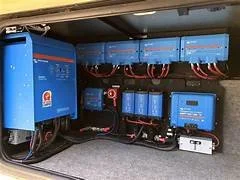
Most modern RVs are rolling electrical systems.
Lithium battery banks.
Solar charge controllers.
Inverters pushing heavy loads.
Transfer switches.
Compact wiring bays.
And almost all of it lives in enclosed compartments.
We talk about propane safety.
We talk about tire blowouts.
We talk about driving in wind.
But we rarely talk about electrical compartment fire risk.
Here’s the reality:
Heat + tight spaces + high amperage + vibration from travel = potential ignition points.
And if something sparks in a closed compartment, you won’t see it immediately.
By the time you smell it…
You’re reacting, not preventing.
When I started upgrading my electrical systems, I realized something:
I was investing thousands into power systems…
But I hadn’t invested nearly enough into protecting them.
That realization changed how I think about RV safety.
Freedom on the road isn’t just about where you park.
It’s about protecting what powers your home on wheels.
Over the next few weeks, I’m going to start sharing more about RV electrical safety — what I’ve learned, what most people overlook, and how we can travel smarter.
If you’ve upgraded your solar or lithium setup…
Have you thought about compartment-level protection?
Let’s talk about it.

Life on the Road: Inspired by Our Favorite RV Journeys:
"Every sunrise on the road reminds us that we are Living Our Journey 365 — not just chasing miles, but embracing the beauty in every small stop. With each turn of the wheel, we Keep Our Daydream alive, knowing that the dream is not a destination but the road itself. We are Finding Our Someday every single day, turning wishes into memories and doubts into daring. We Switch It Up when the routine calls for change, finding fresh adventures just beyond the next curve. And we carry the heart of Less Junk, More Journey, learning that life’s richest treasures can’t be packed in a storage bin, but are felt in the freedom of the open road and the love we share along the way."


Our January Winter Travels and Adventures around Arizona
We look forward to January every year because we spend the month traveling and exploring the Sonoran Desert in Arizona. This year was a little different for us. The first part of the month we spent a week at a rally called the United Rally which was held by a YouTube channel Switch It Up. The Rally was really a great experience for us. We had a great time, meet some amazing humans and genuinely just enjoy our time there. The rest of the month we spent in and around Quartzsite, Arizona. Each year we get there the second week of January and spend the rest of the month there at Q Rally. This year was Q25, it had a little different feel this year in a very positive way. We really enjoyed out time with friends in the desert this year. The pervious years were great, but something about this year so much better. We look forward to Q26 that’s for sure.
The following video shows a little of our adventures, please enjoy and as always if you have any question don’t hesitate to ask, we love the interaction with those that follow us.

2025 United Rally

We hitch it up and head to Tucson, Arizona for the United Rally/
5 years ago a couple Todd & Sheila Konitzer hit the road for a year to honor Sheila’s dad who had just past. her dad had an RV that he had planned to hit the road with. Well after his passing they two decided that they would fulfill his dream by taking the RV out and they found themselves liking the rv travel life, even if it would be for a short time. Well long story short that 1 year has turned into 5 and they are still on the road and thriving.
As for the United Rally, this came about because Sheila wanted to have a purpose while out on the road. She felt that just visiting places and excursions or adventures was not enough, she wanted to have purpose and the RV Revolution was born. From the RV Revolution spurned the United Rally, the rally was just a way for Switch It Up to gather content creators from as many traveling and nomadic genres together to share experiences and bring others in to support and build on community that has been established over the years on the road. To say this rally was a success would be an understatement. They were able to bring over 250 creators and non-creators together to fellowship and it worked out amazingly. So much so that the 2026 edition will not be in Arizona, but the Florida.
We had such a great time expanding our horizon’s, but also getting to meet some creators that we have only seen on YouTube, to being able to meet on a more intimate level with Todd & Sheila and we were so very grateful for their time.
The Rally had so many things going on from meet and greets, to seminar’s, to group outings, meal’s and games. The Cornhole tournament, the Rock, Paper, Scissors and Singo games were epic. To have a group of adults let go of inhibition’s and just have fun was such a great thing to be apart of.
We are not sure if we will be able to make the Florida United Rally, but we will do whatever we can to try to get there. If you are on the East Coast next year the first part of January/February make sure to try to attend you won’t regret it.

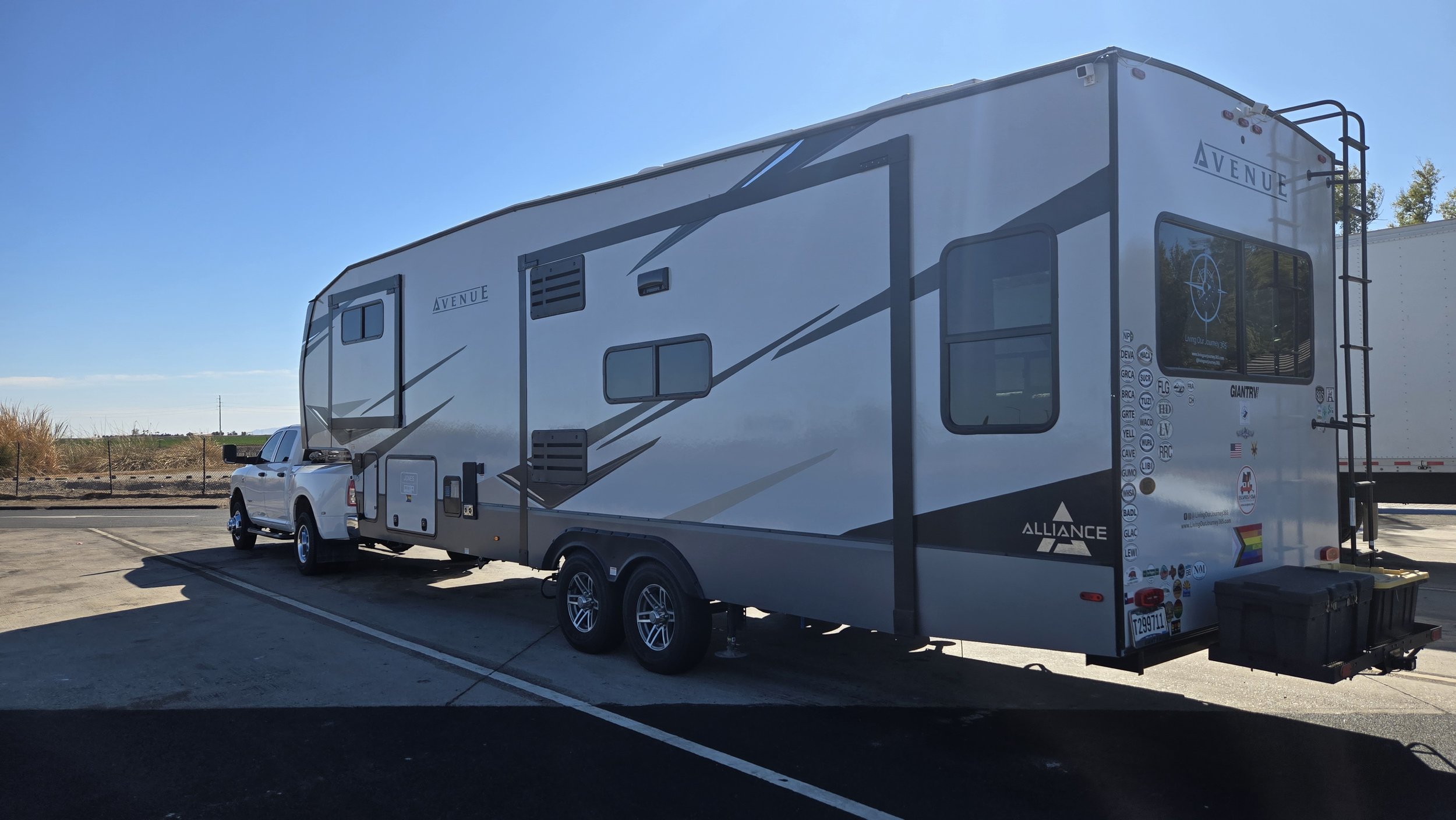


Alliance RV Vegas Rally 2024
Hi everyone, over the past week Tessie and I headed to Las Vegas, Nevada to attend our first RV rally, The Alliance Vegas Ally Rally 2024 and it was in a word amazing. I found out about the rally in the first part of 2024 after we returned from our annual trip to Quartzsite for the Big Tent and Q Rally. At first, I was not sure if rally life would suit us, since Tessie and I are such spur of the moment travelers but decided to find out more information about it and ultimately during information gathering process it threw our names in the hat, and we were invited to attend. So, the prep started with getting the rig in “Rally” mode which I don’t even know if that is a thing, but I there we were getting everything ready for this new adventure. So, we decided to get there the day before all the events happened since we were not traveling that far, so we headed out Tuesday morning the day of the official kickoff. We drove from San Diego where we Cabin Host at Santee Lakes Regional Campground and headed east to Las Vegas. The trip, like 99% of our trips, was pretty uneventful thankfully, we drove stopped halfway to enjoy brunch at arguably our favorite diner Peggy Sue’s Diner just outside of Barstow, California off highway 15. Anytime we are heading east on Highway 15 Peggy Sue’s will always get our business, it’s also great that they are now a Harvest Host stop for rver’s. After brunch we continued heading to our Vegas destination with a stop just outside of Baker, California at one of the newly renovated rest areas. After our 6-hour journey we pulled into Oasis RV Resort, truth be told we have passed this resort probably 20 times on our too or through Las Vegas and never knew this place was there, not that we hadn’t heard about it from fellow rver’s in YT videos, but we had no idea where it was located until, but we do now. After checking in and getting parked, we got the rv all set up headed over to the main meeting hall where all the events would be happening, we walked in and saw a friendly face which is always a great thing, and from that point on the adventure and fun began. During this first evening, we had the pleasure to finally meet Ryan Brady, and Bill Martin, Bill you are definitely a positive light sir, your passion and commitment to Alliance RV and us the owners is matched, so glad you are on our side. Also, during this time got a chance to meet April Clark, and Rob Boyer who literally kept the show going and were the go-to crew throughout the week. These two were always literally everywhere, I have no idea how they did it all, but they definitely had a great crew of helpers with them. Thank you, April and Rob, for all the hard work, it all turned out amazing from my purview. During the next 3 days there were so many activities and seminars, also the shear amount of work the Alliance Service crew took on was monumental. We saw everything from wall trim repairs to axle replacements. The true professionalism on display by the Alliance Service team was something to behold. As someone with a background in service and customer care, I truly appreciated seeing the service team in action. Besides the Alliance crew we were able to put names to faces that we see on the many Alliance Facebook groups. I want to thank Bob & Lorraine Mitchell, John & Kim Tyer, Mark & Angie Wilkerson, Tom & Robin Ross, and Jason & Kimberly Anderson for your hospitality and FamAllyShip, meeting and hanging out with all of you was fantastic, we definitely look forward to meeting up with you all at some point on our journey and travel’s I have to say that this was a fantastic week and we will definitely attend another Alliance RV rally, hopefully we can make it to the National Rally in Indiana who knows.



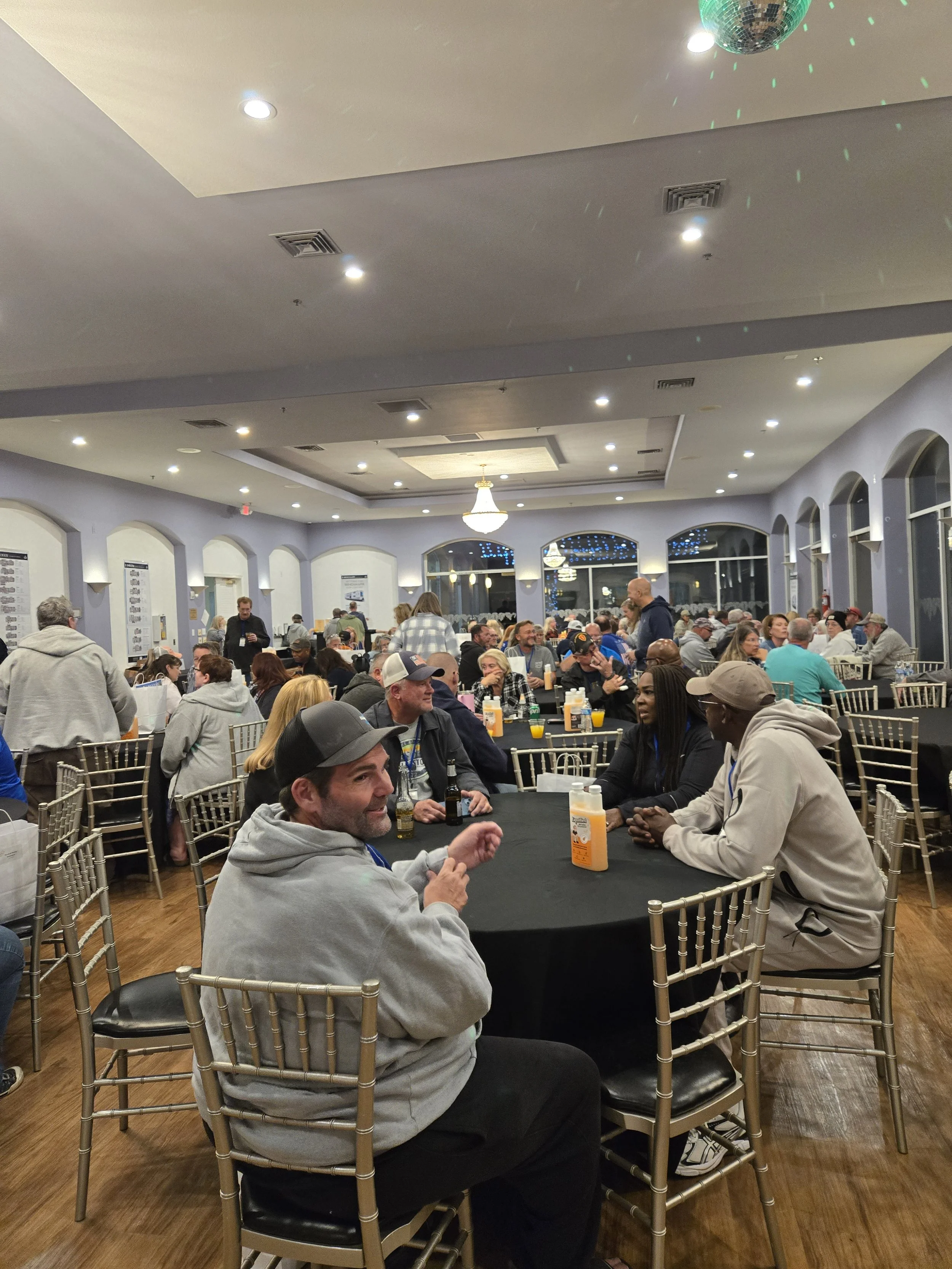


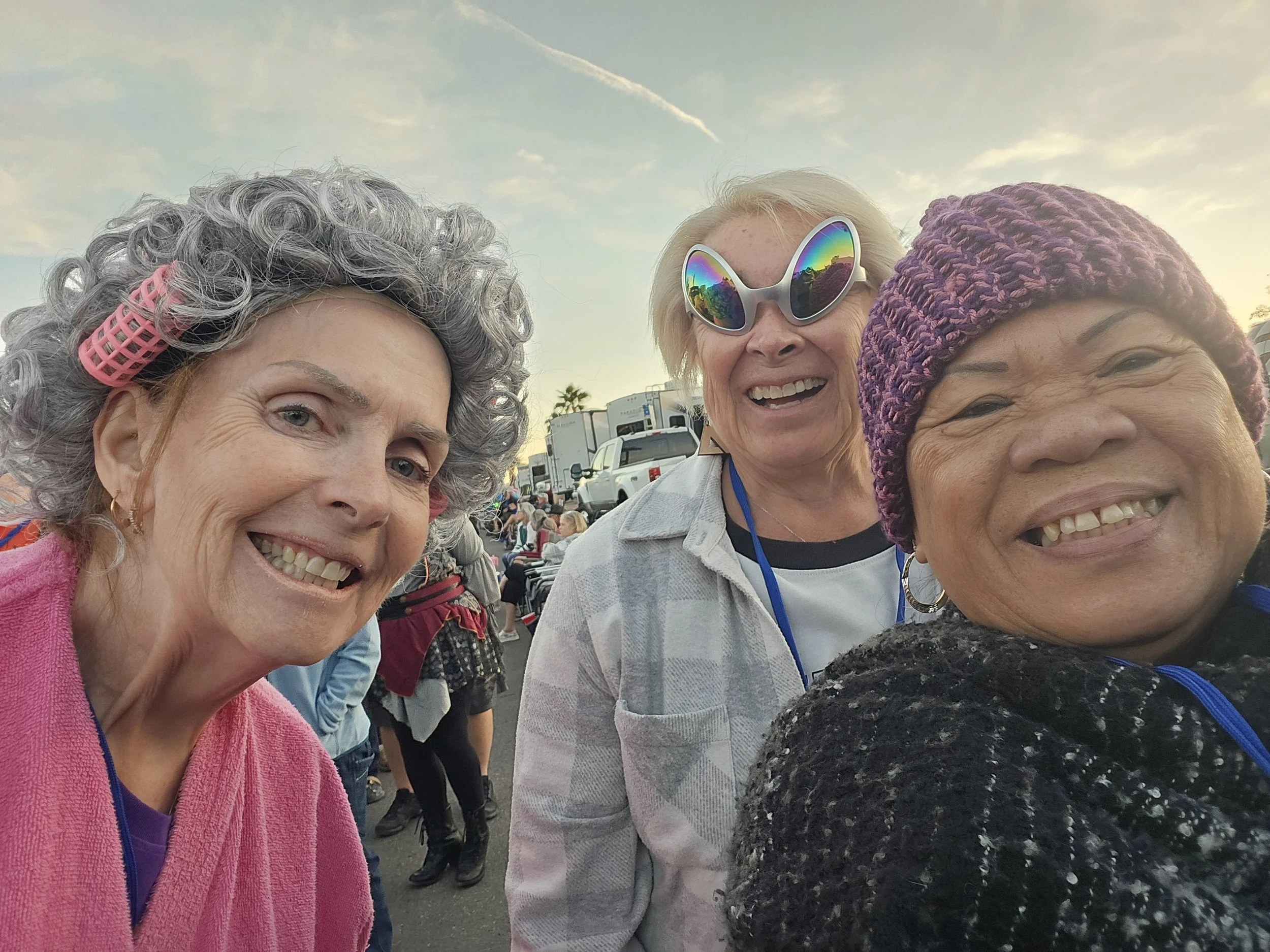


Joshua Tree National Park
One of the things that we enjoy is visiting our countries National Parks and Monuments. We recently visited Joshua Tree NP which has been on our [list of living] places for a very long time. It’s kind of funny, we are from California, San Diego specifically, but we have not visited this NP in the past, hell we haven’t visiting many places in California, but ask us about Arizona, Utah, Oregon or any of the other Western states and we can talk for hours. We plan to visit many more amazing places in California over the coming year as we get around the state we have lived in most of our lives lol. One of the highlights of the trip was taking a driving tour from Cottonwood Campgound to the main visitor center on the other side of the park which was a 42 mile drive. Along that drive there are Exhibit Points that explain the history, flora and fauna of the NP. On this drive you can see part of the sheer magnitude of this beautiful park and also the diversity of the landscape which really has to be seen to be appreciated. This area has a deep and rich cultural history to it that is not readily known. If you’re in the area for any period of time I would say check out Joshua Tree National Park, it just may surprise you!
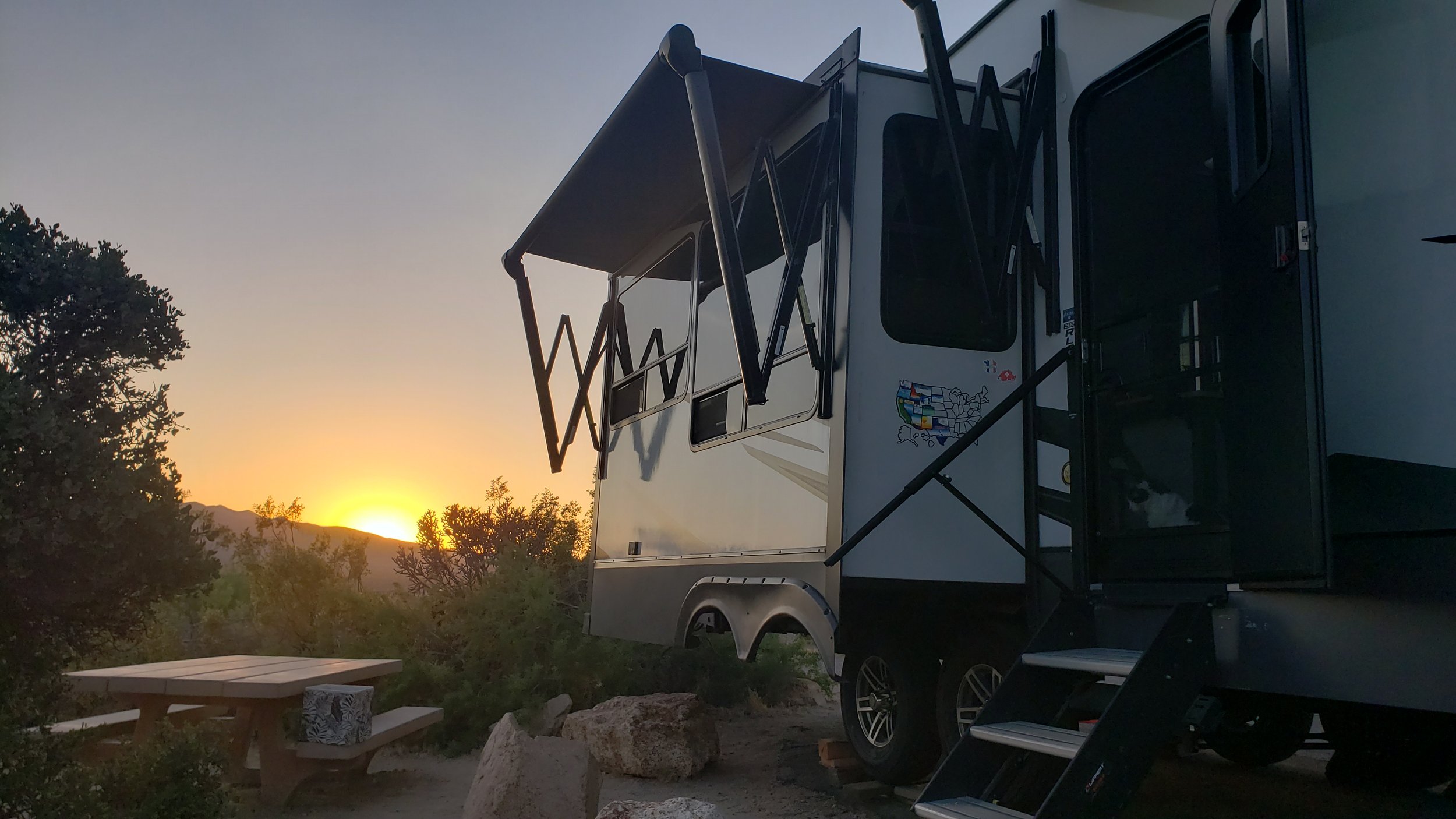
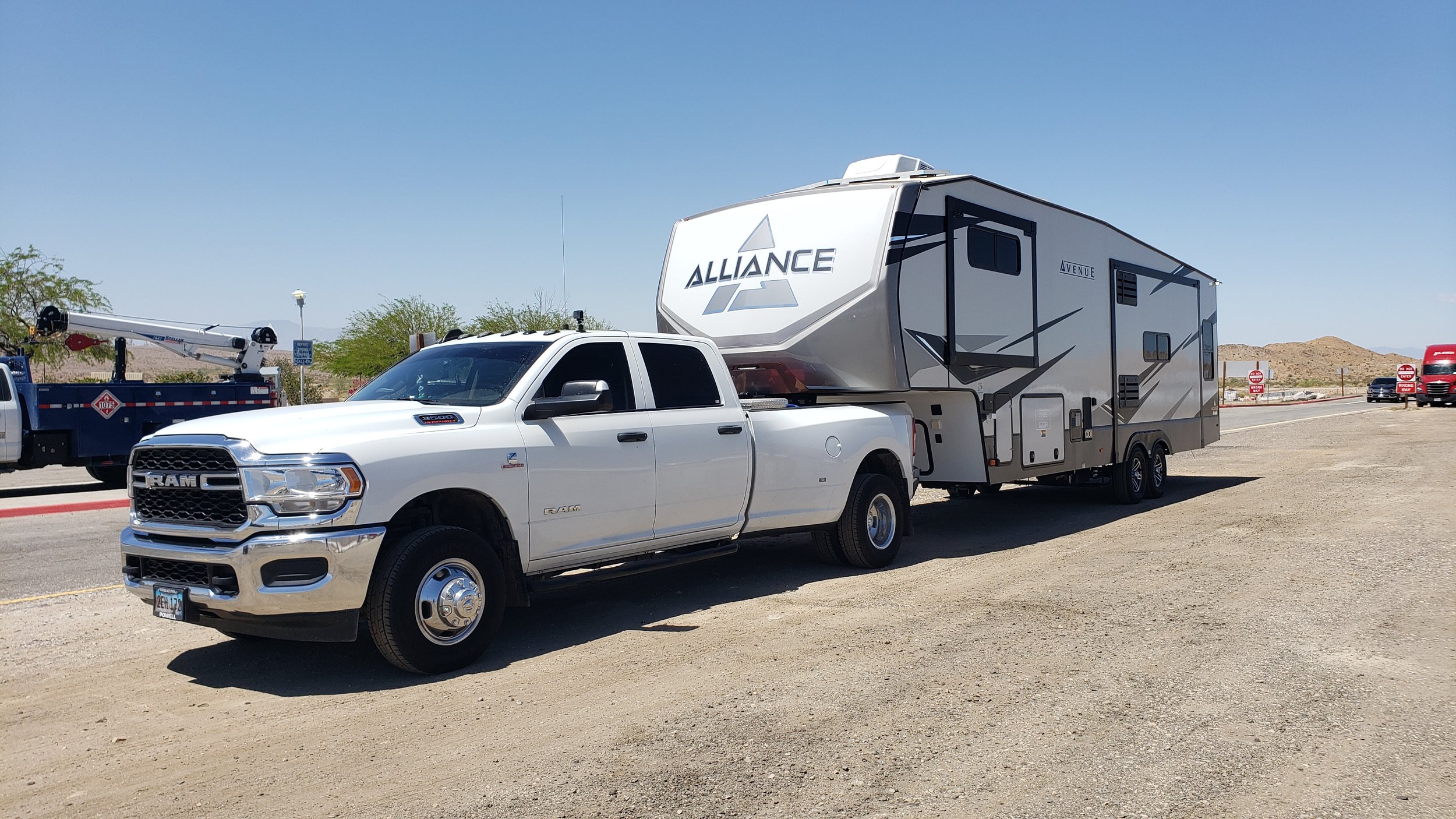
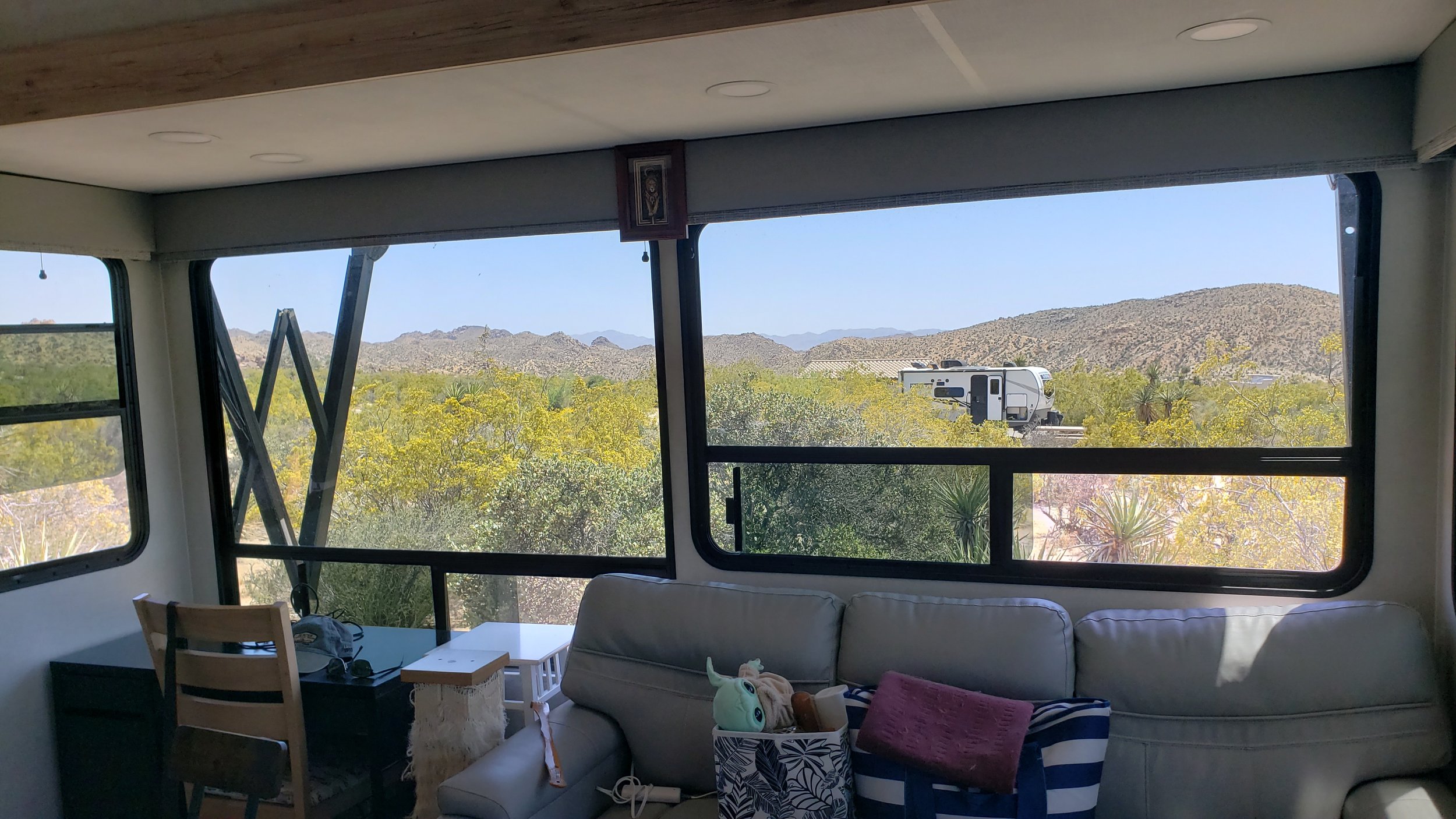
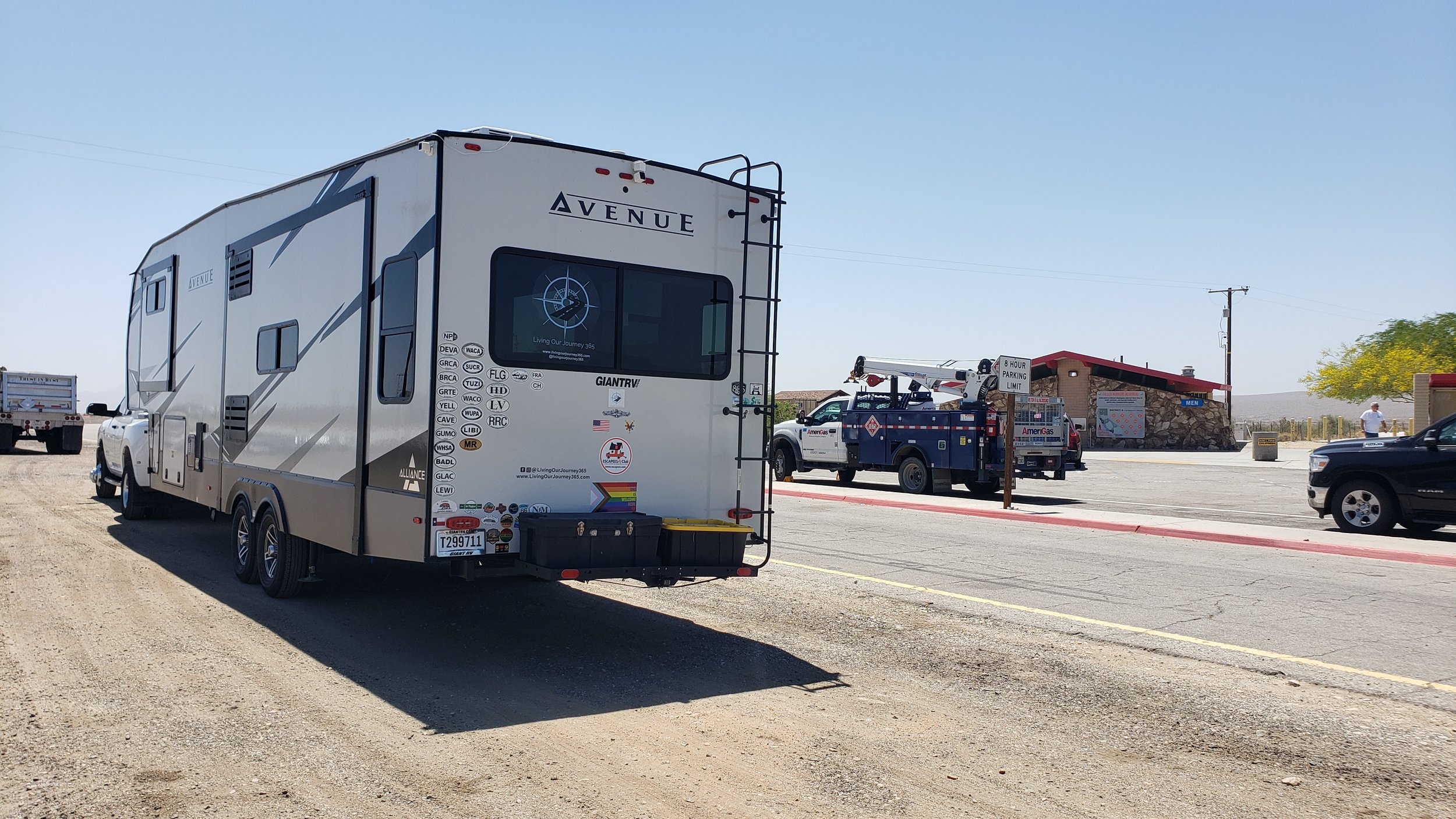
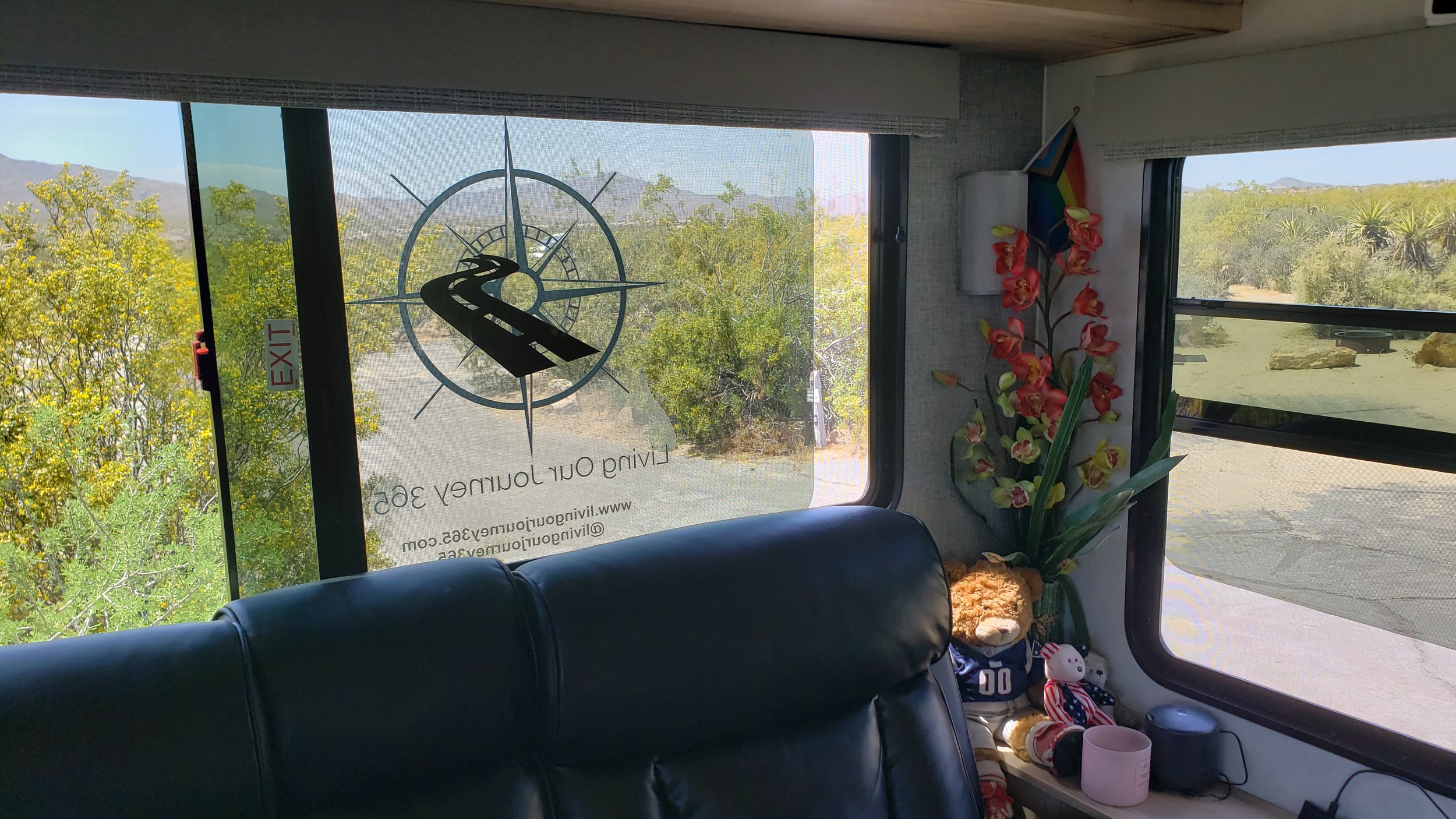
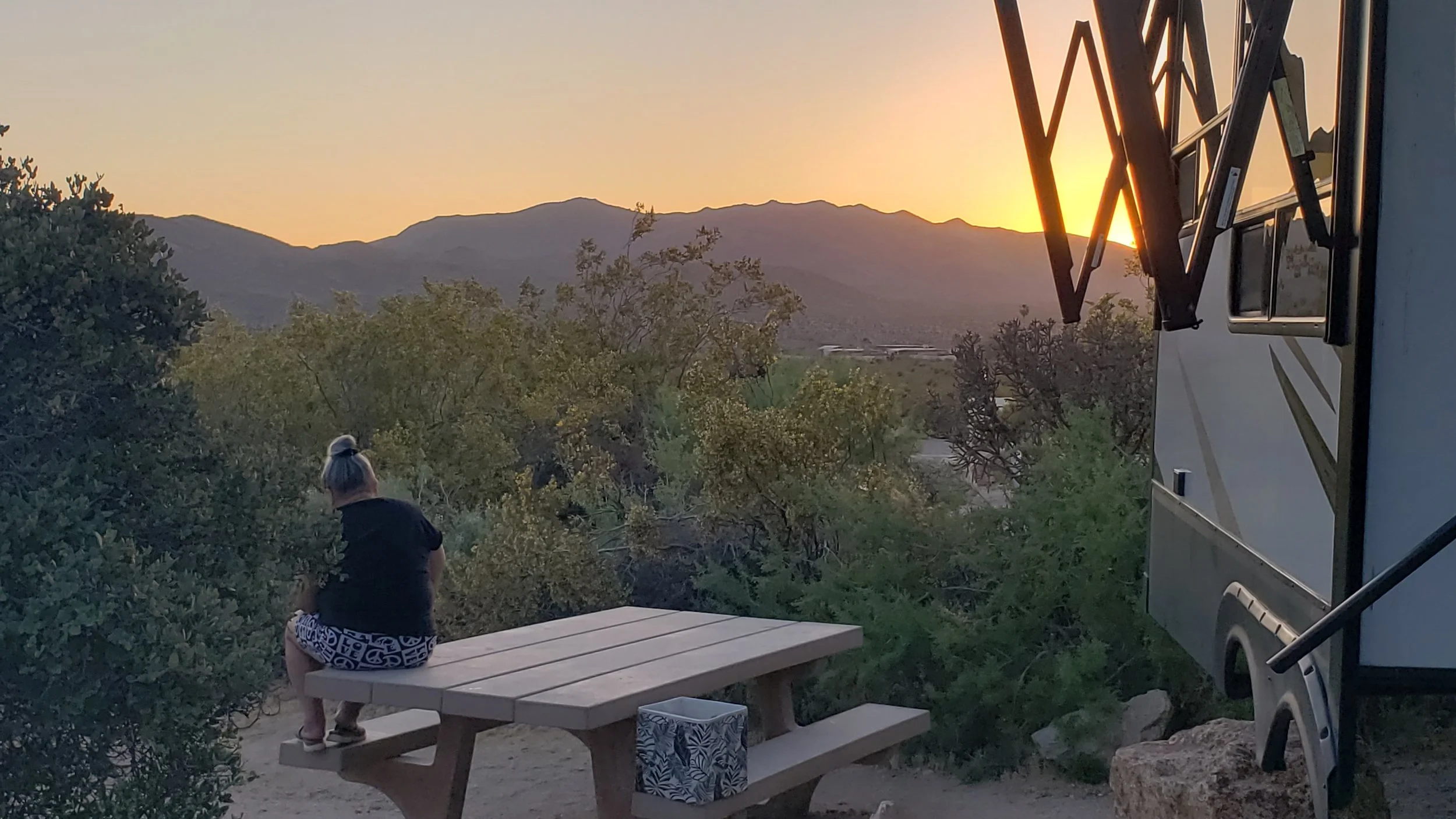
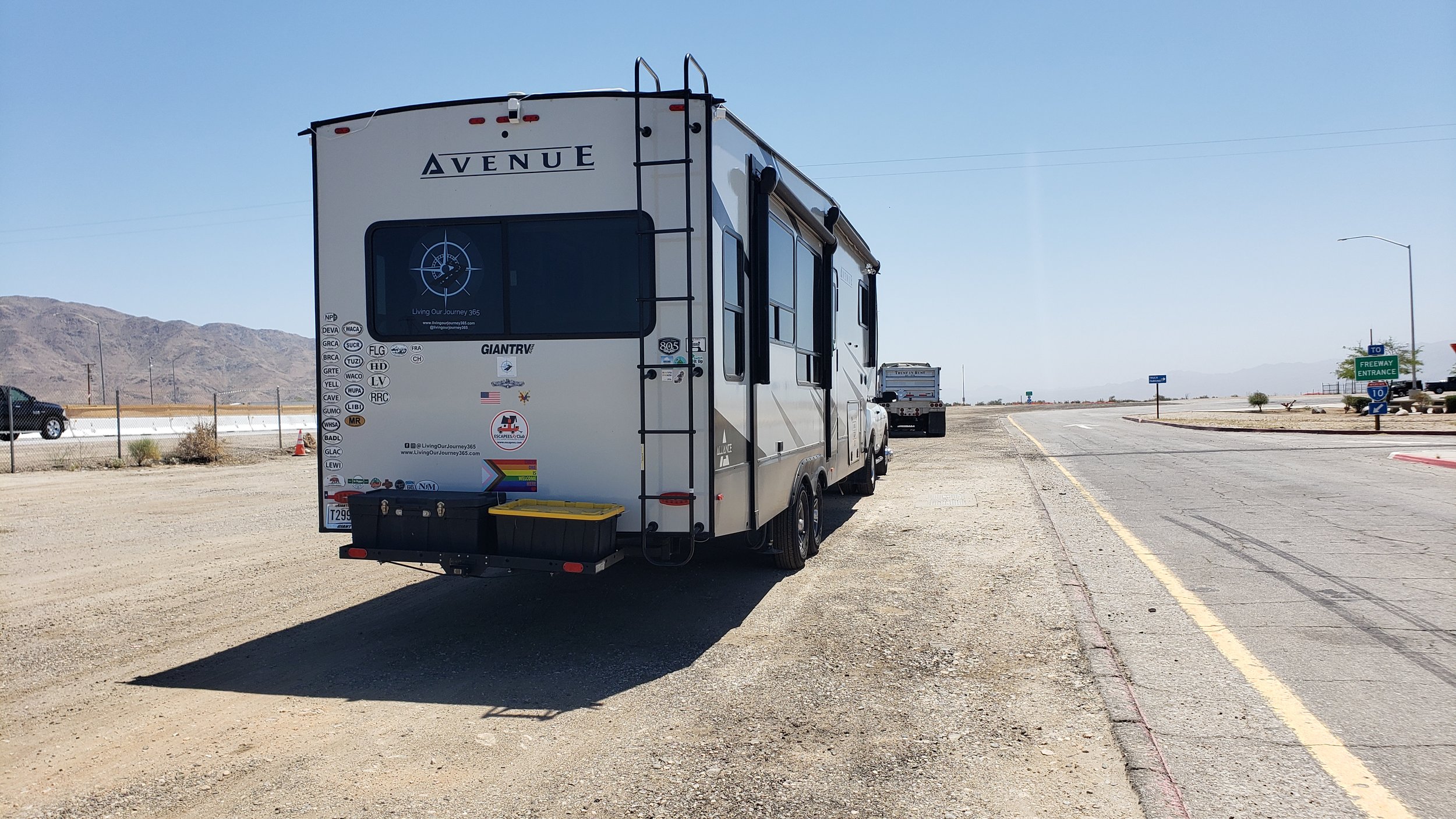
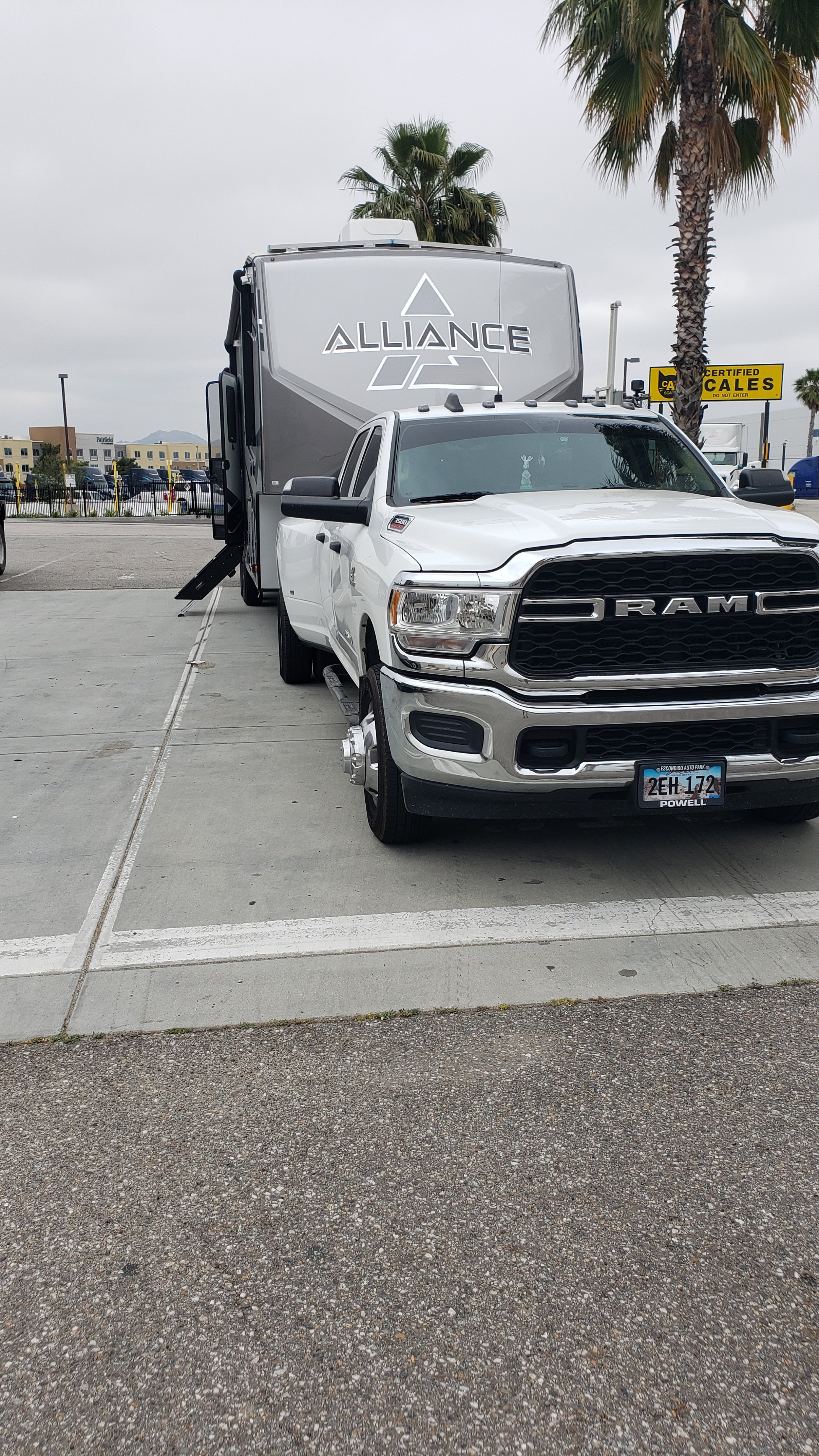
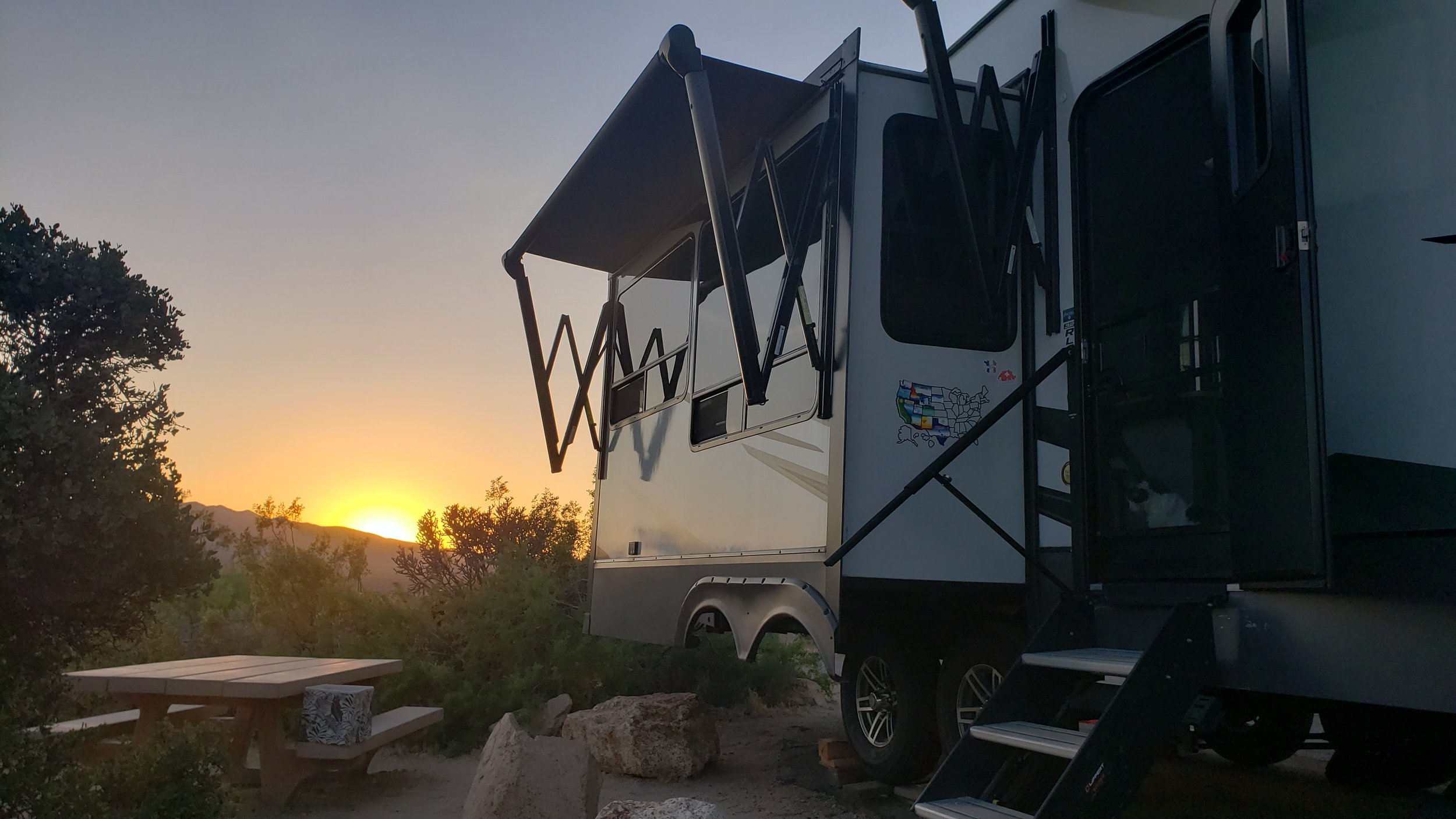
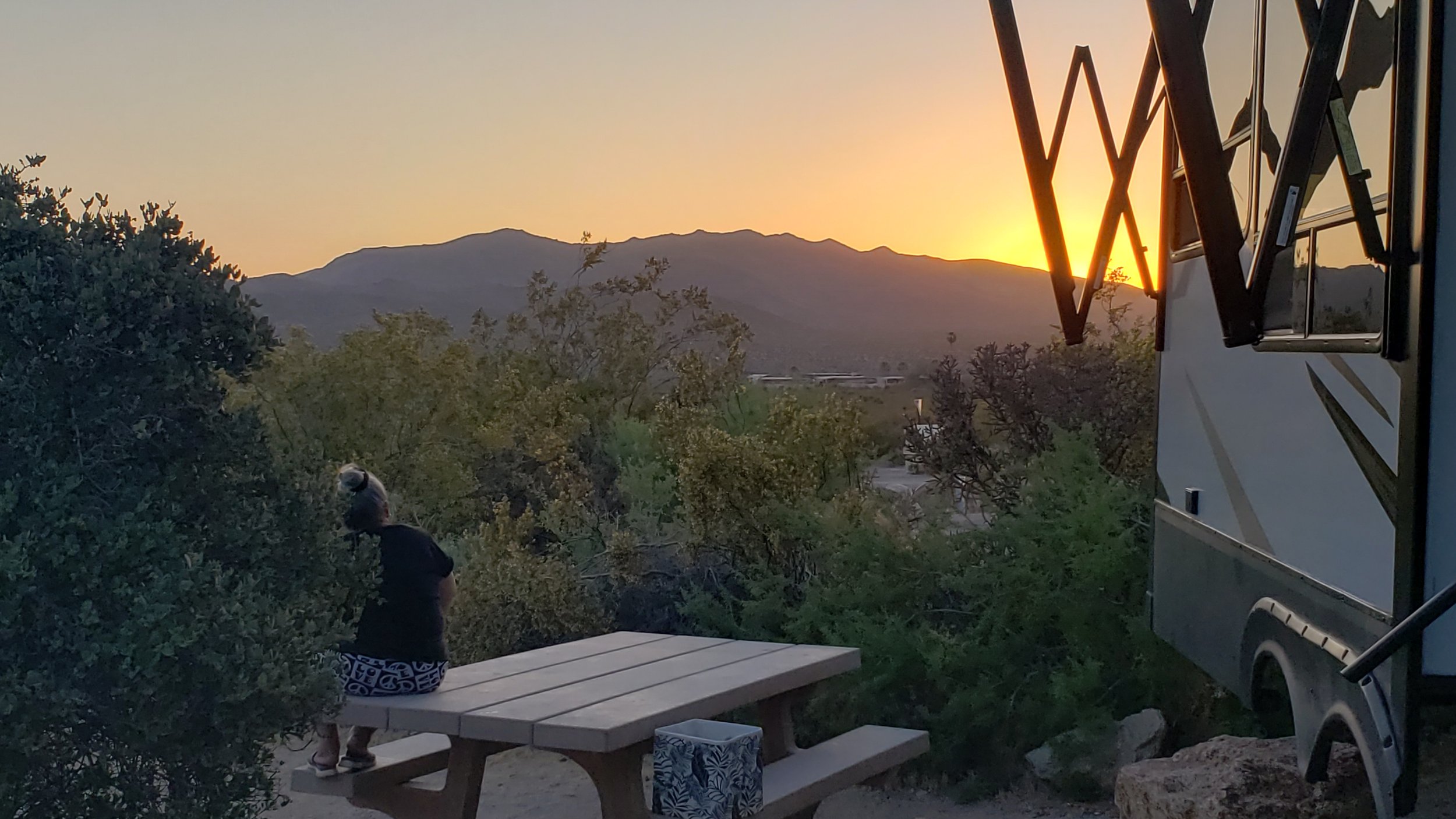
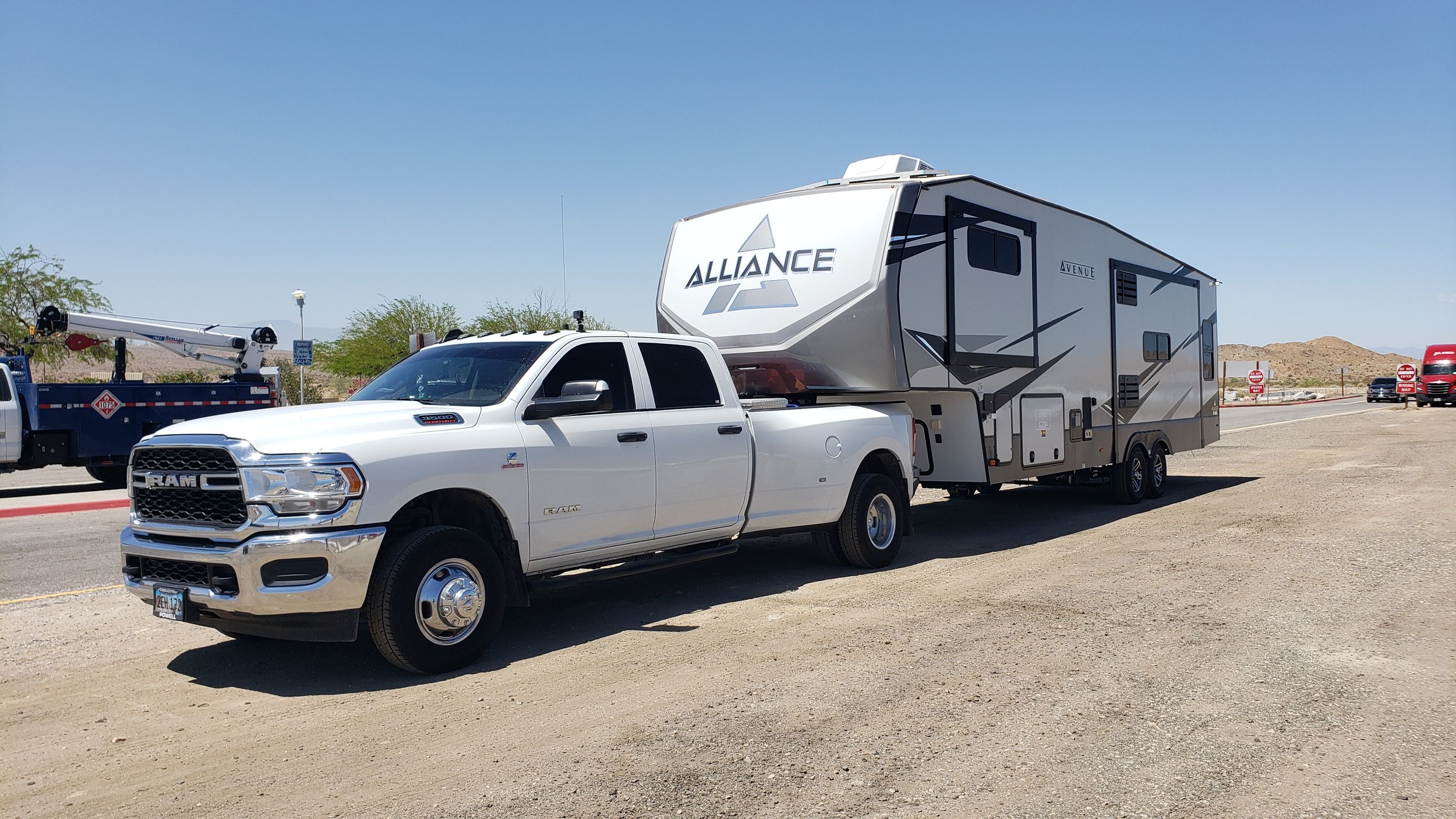
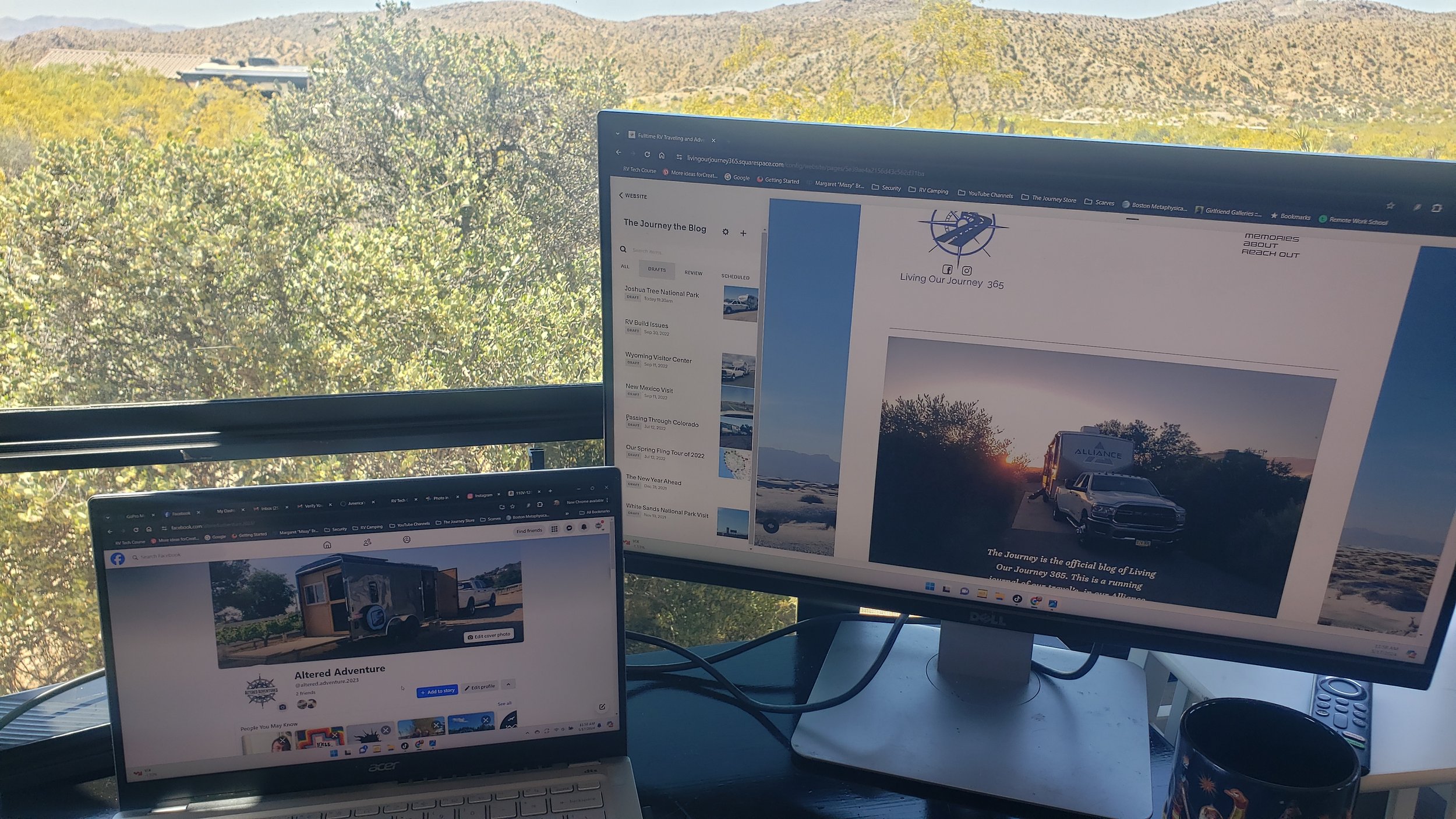
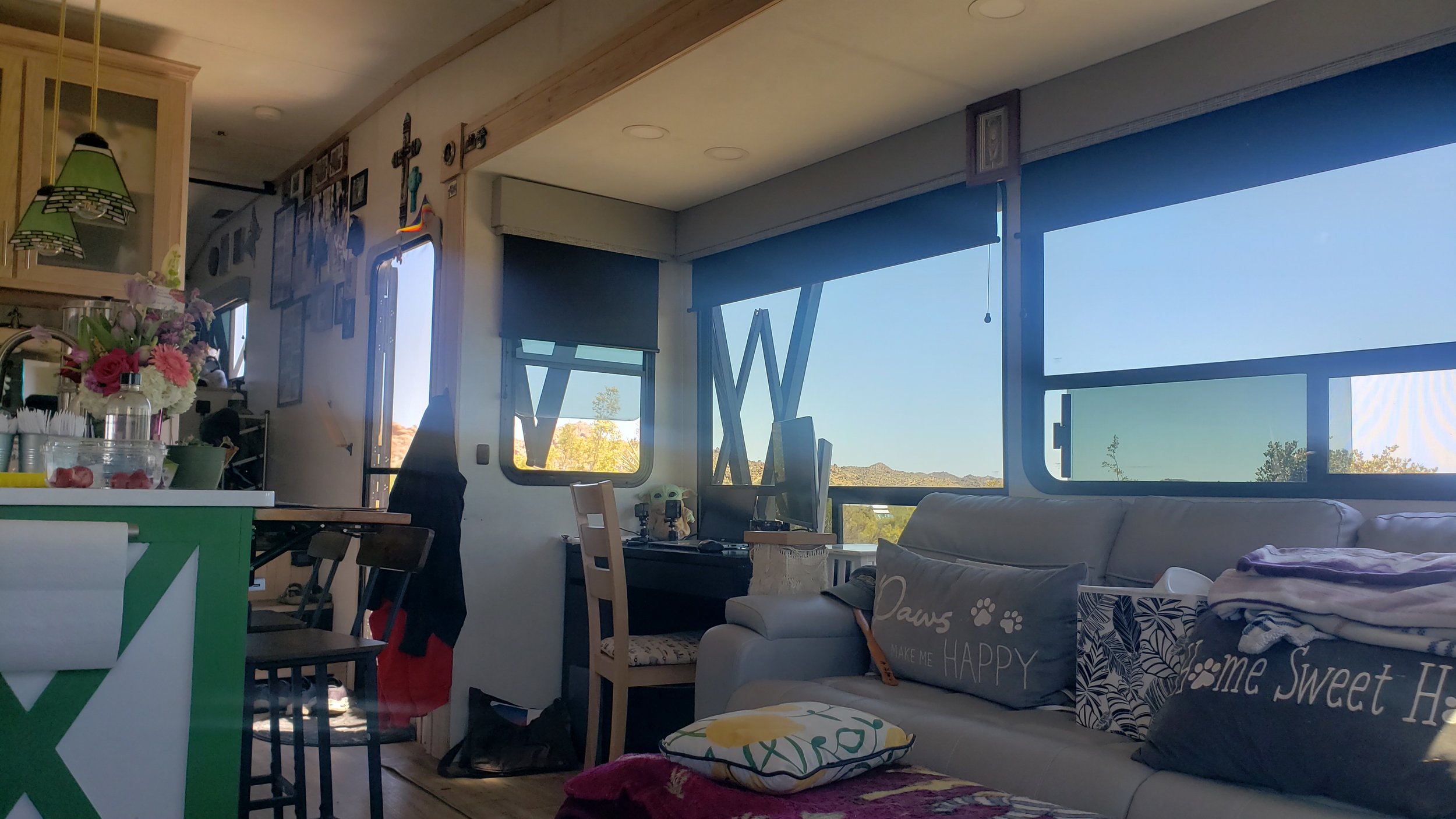
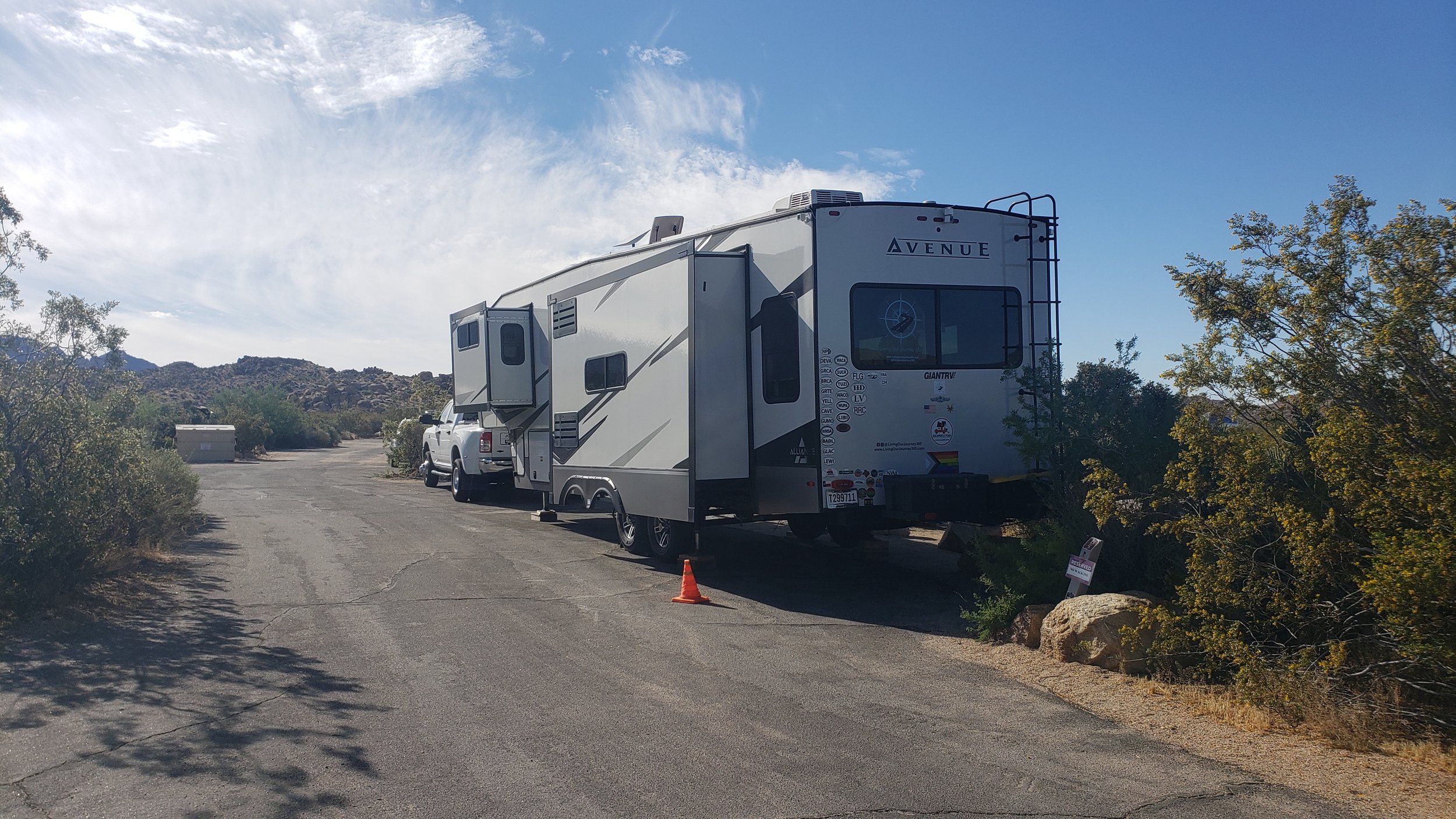
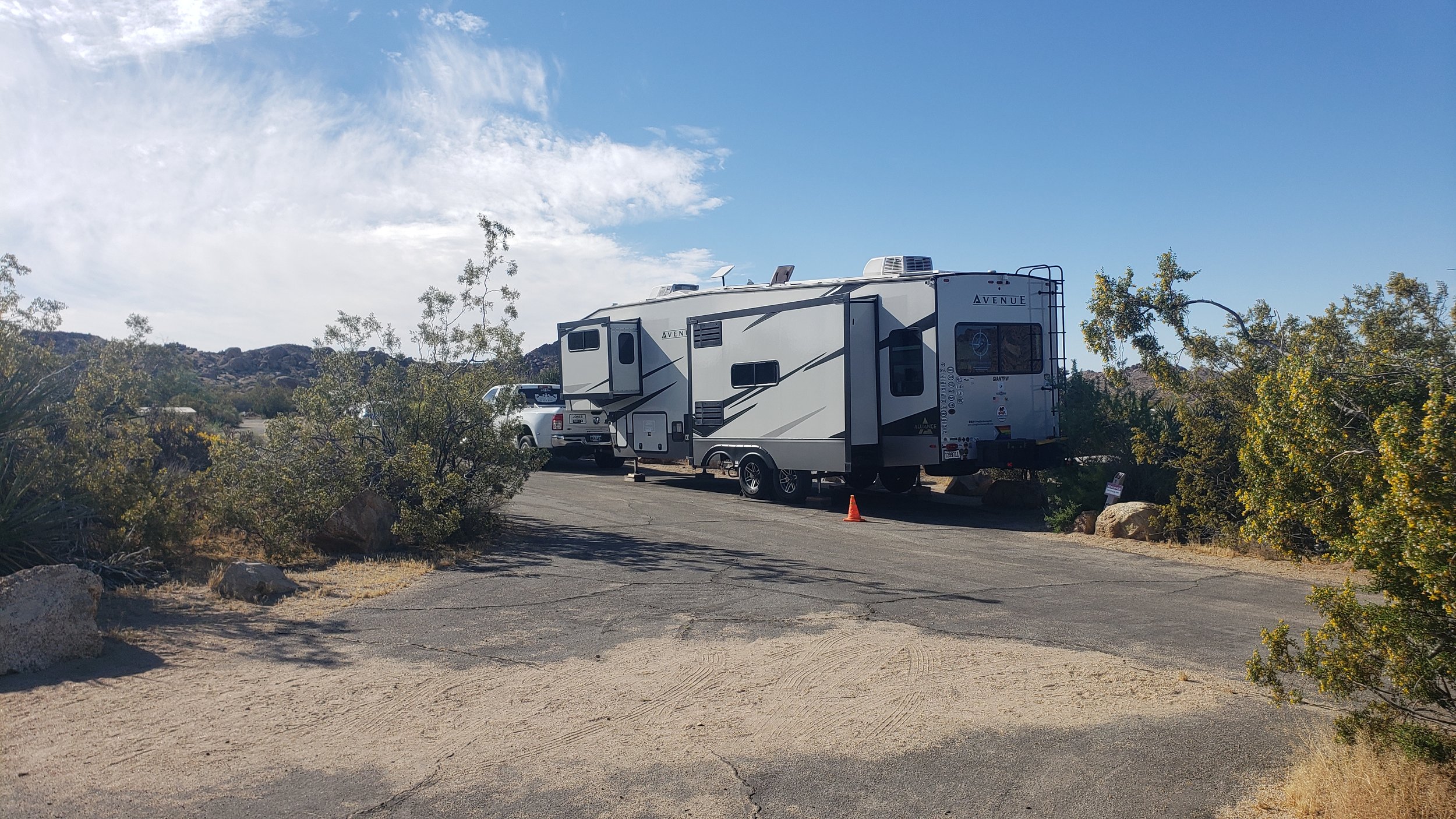
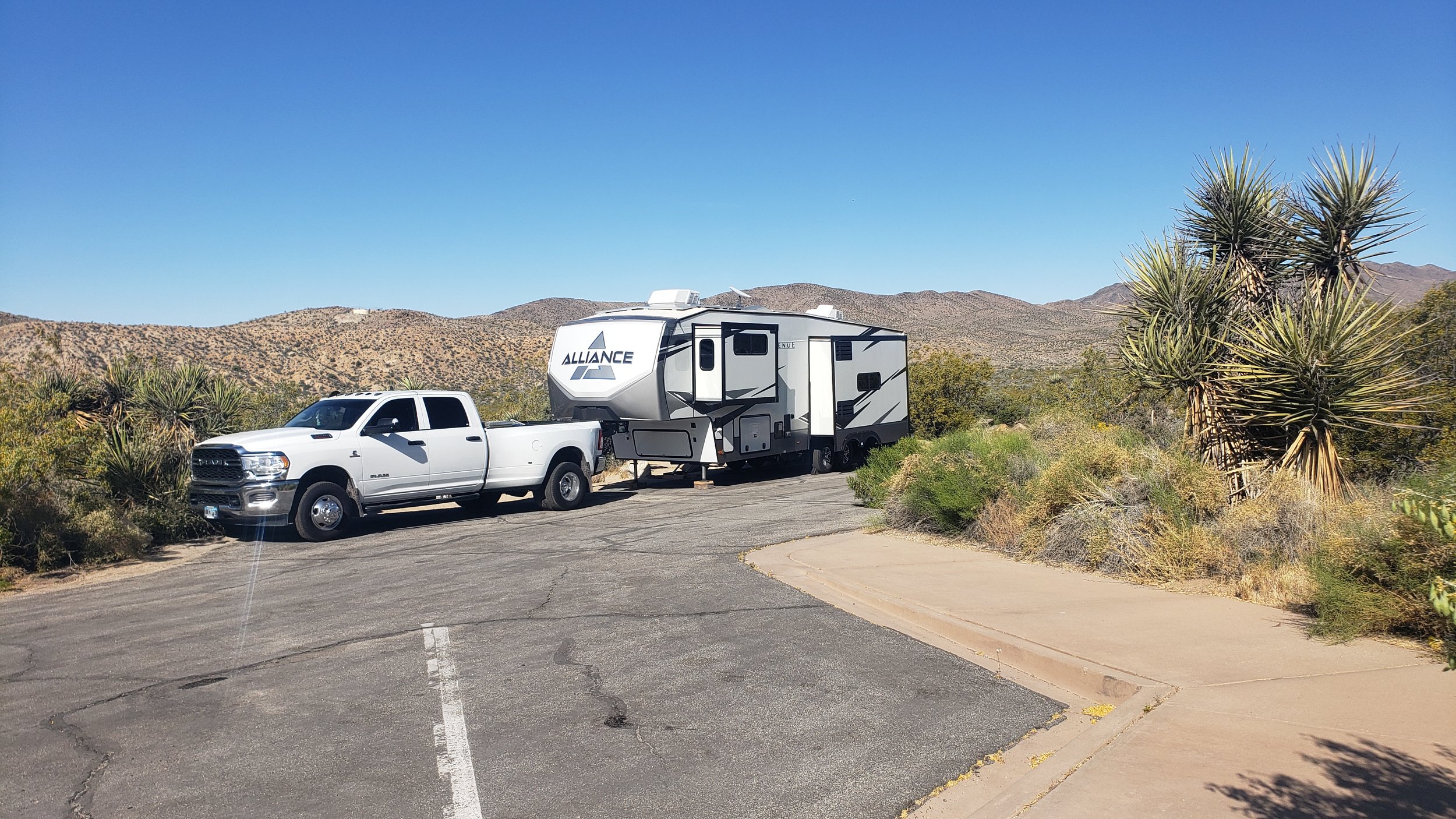
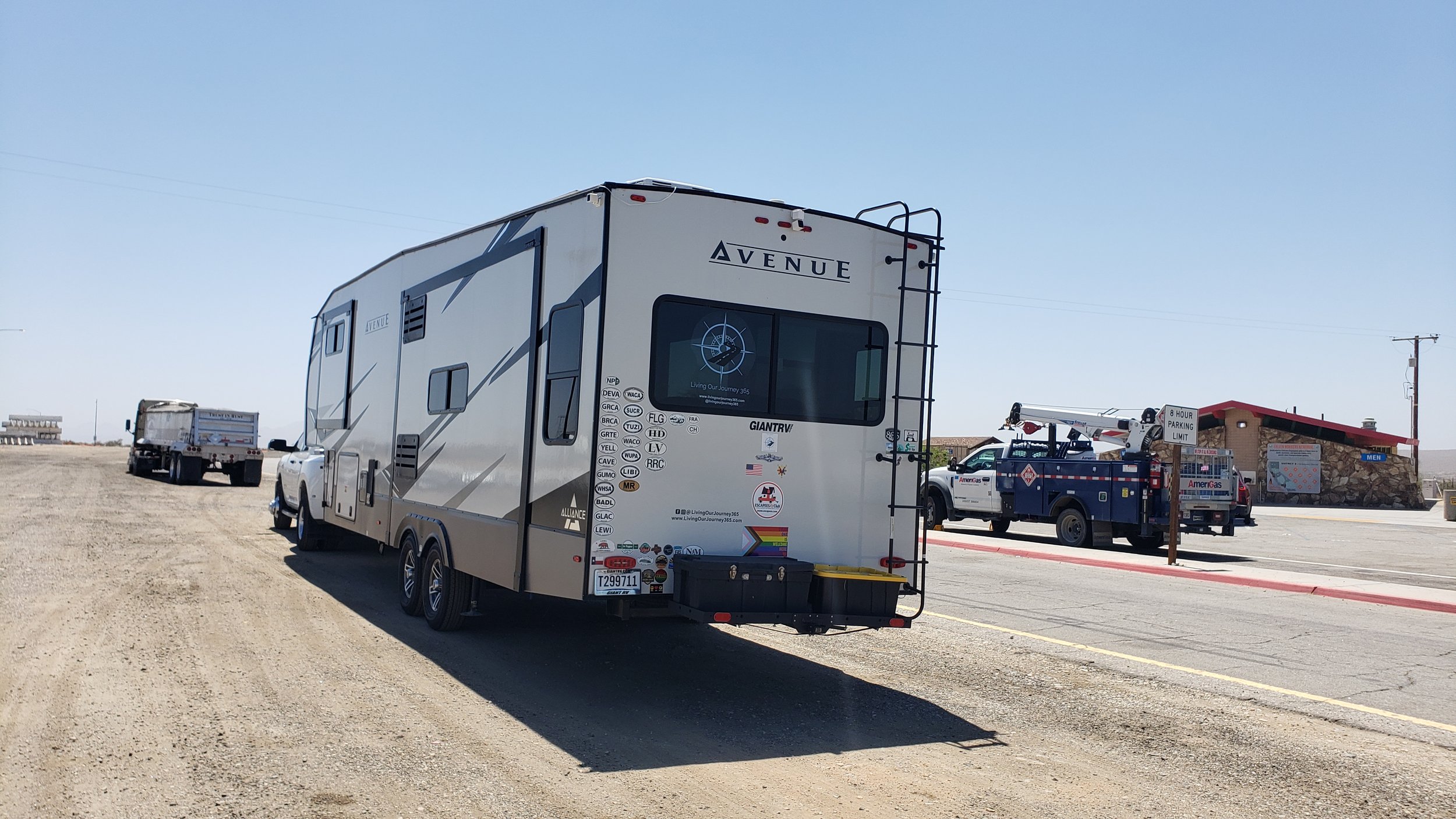
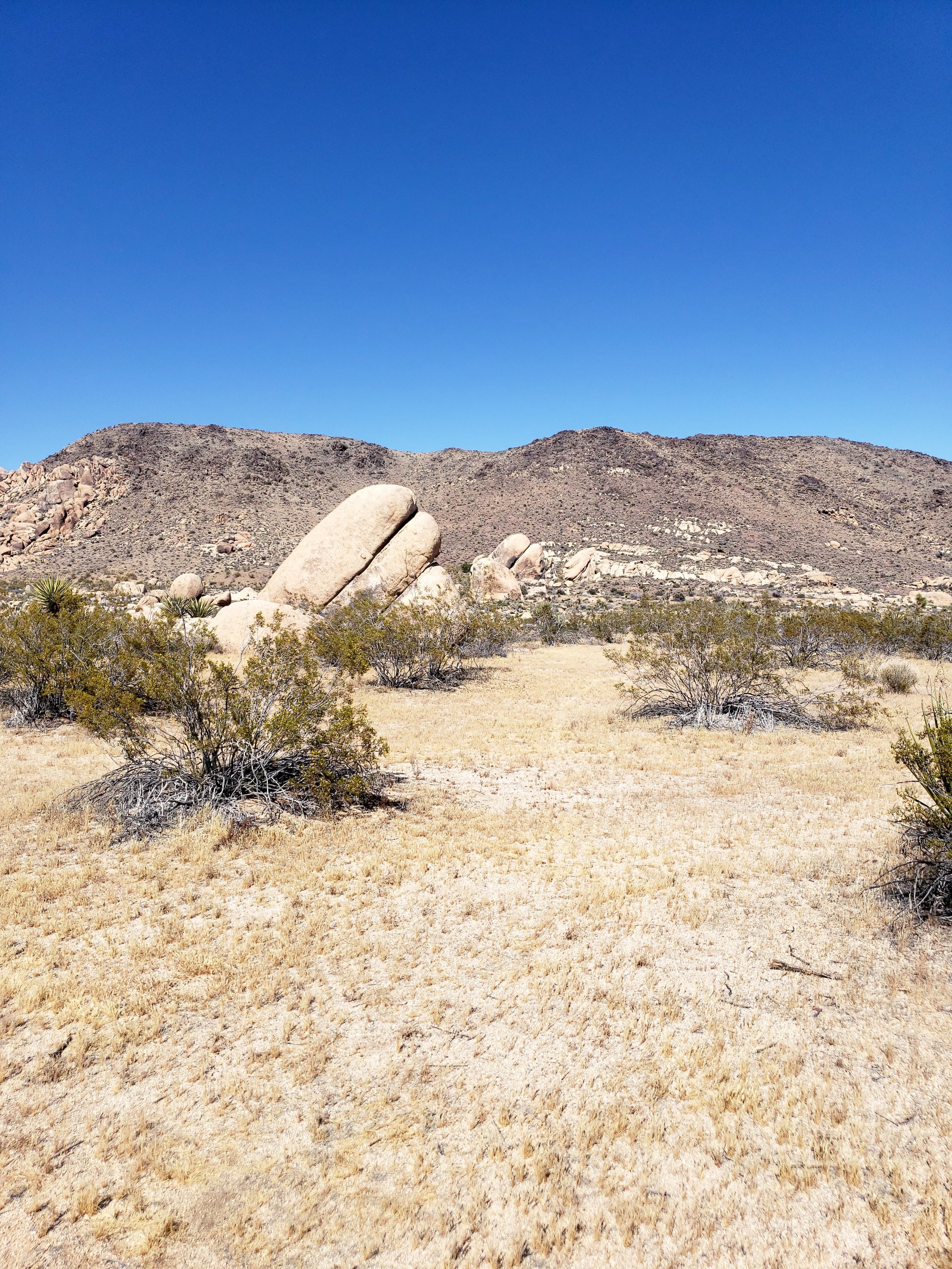
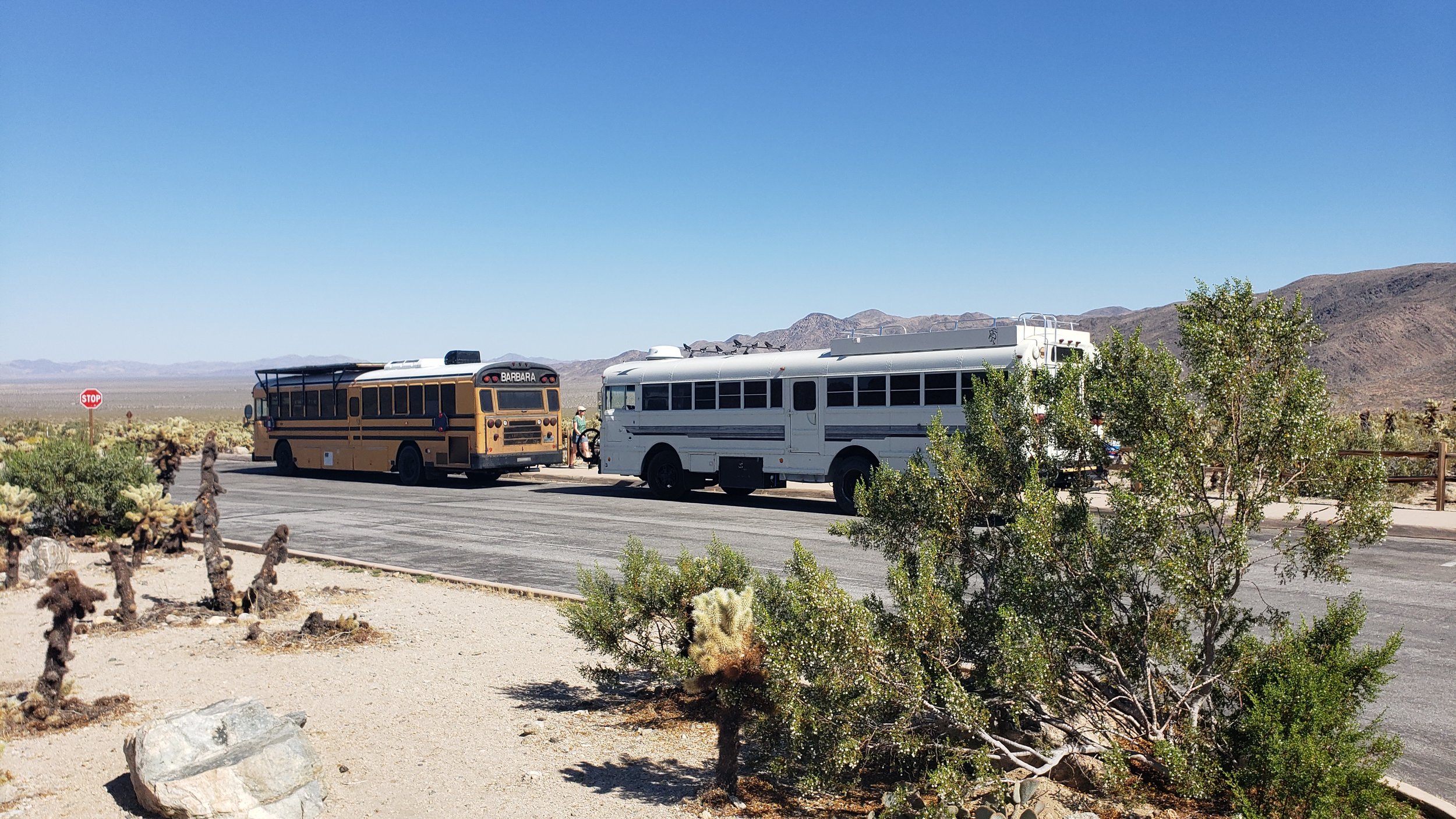
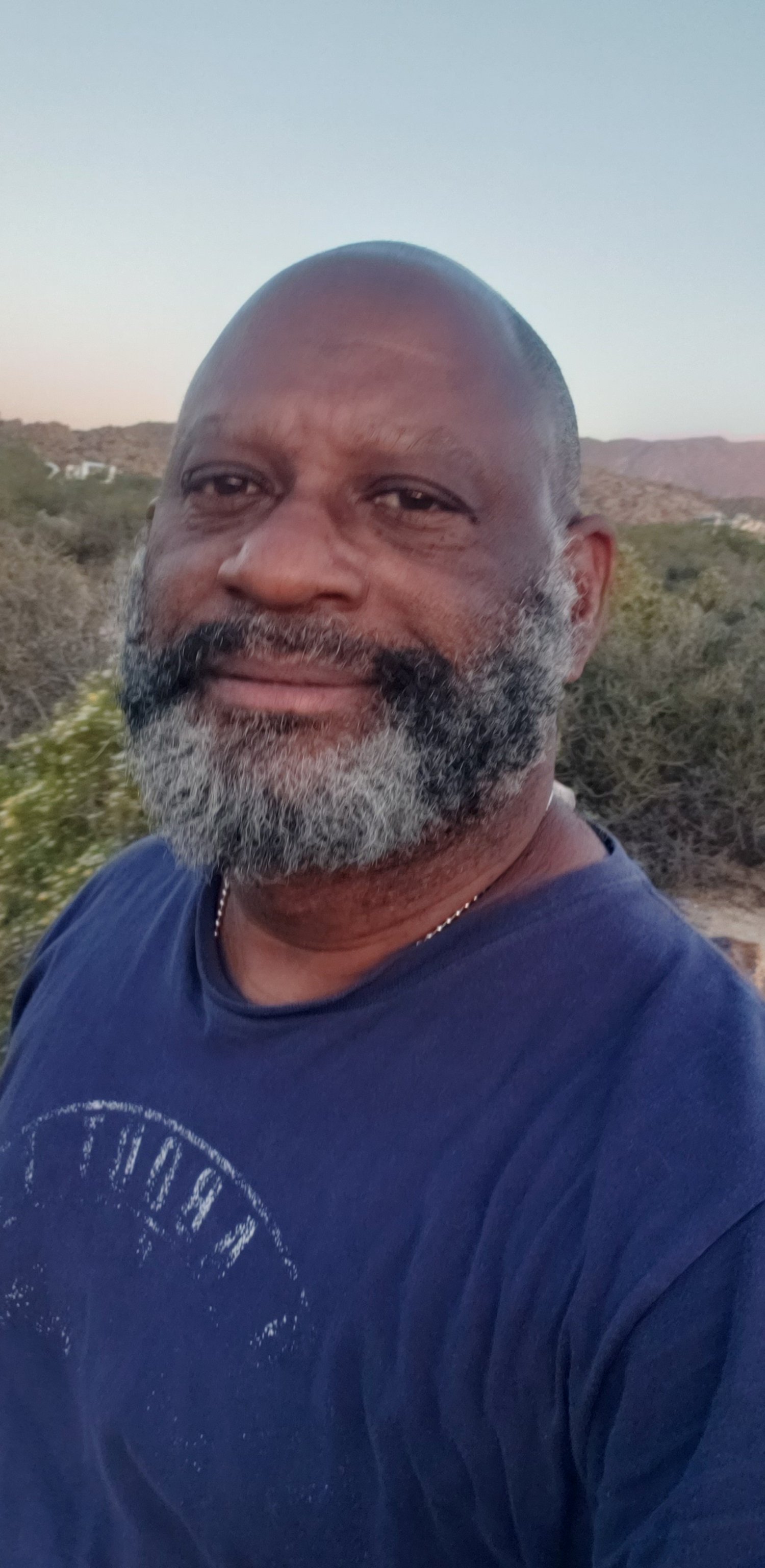
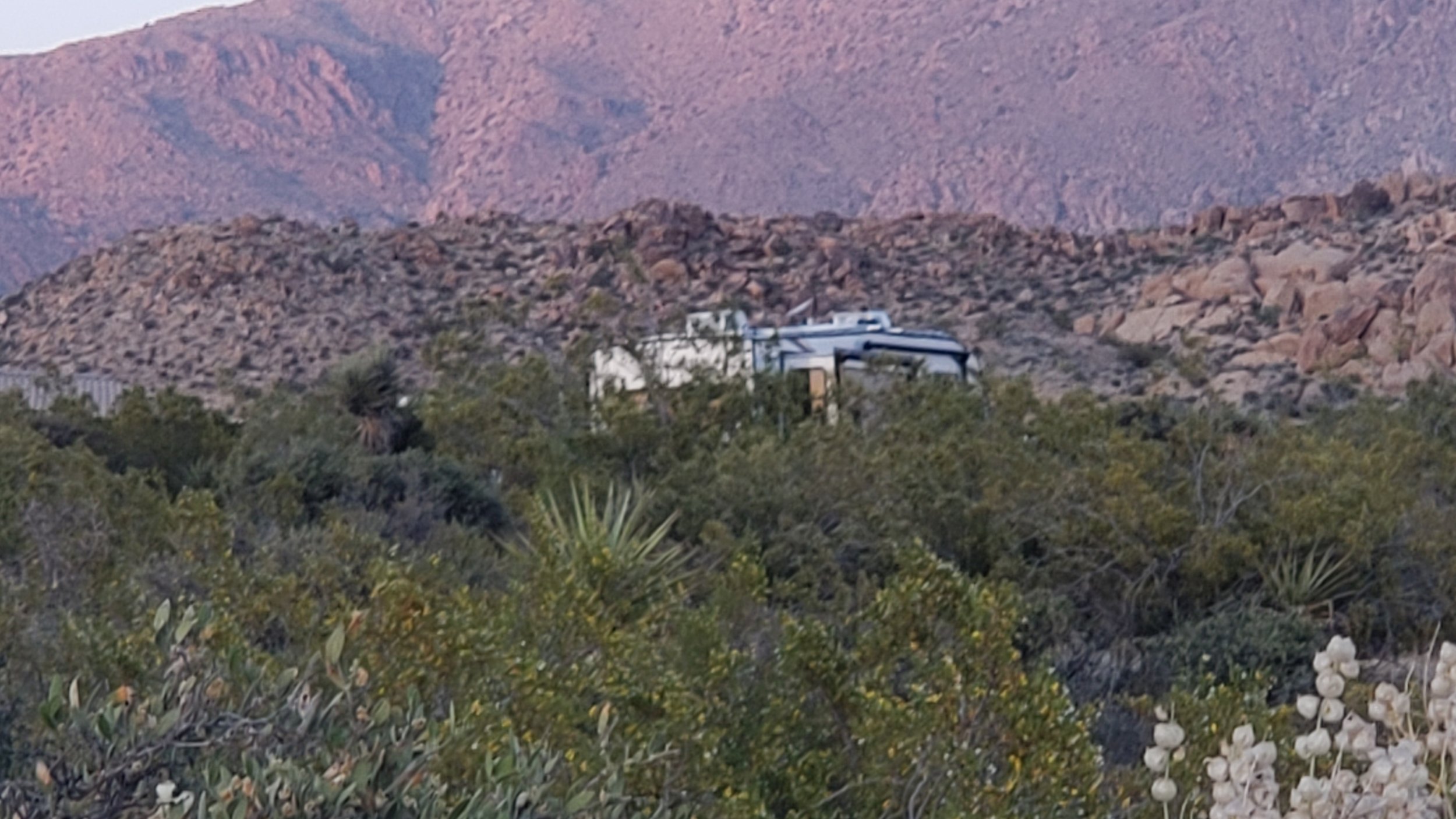
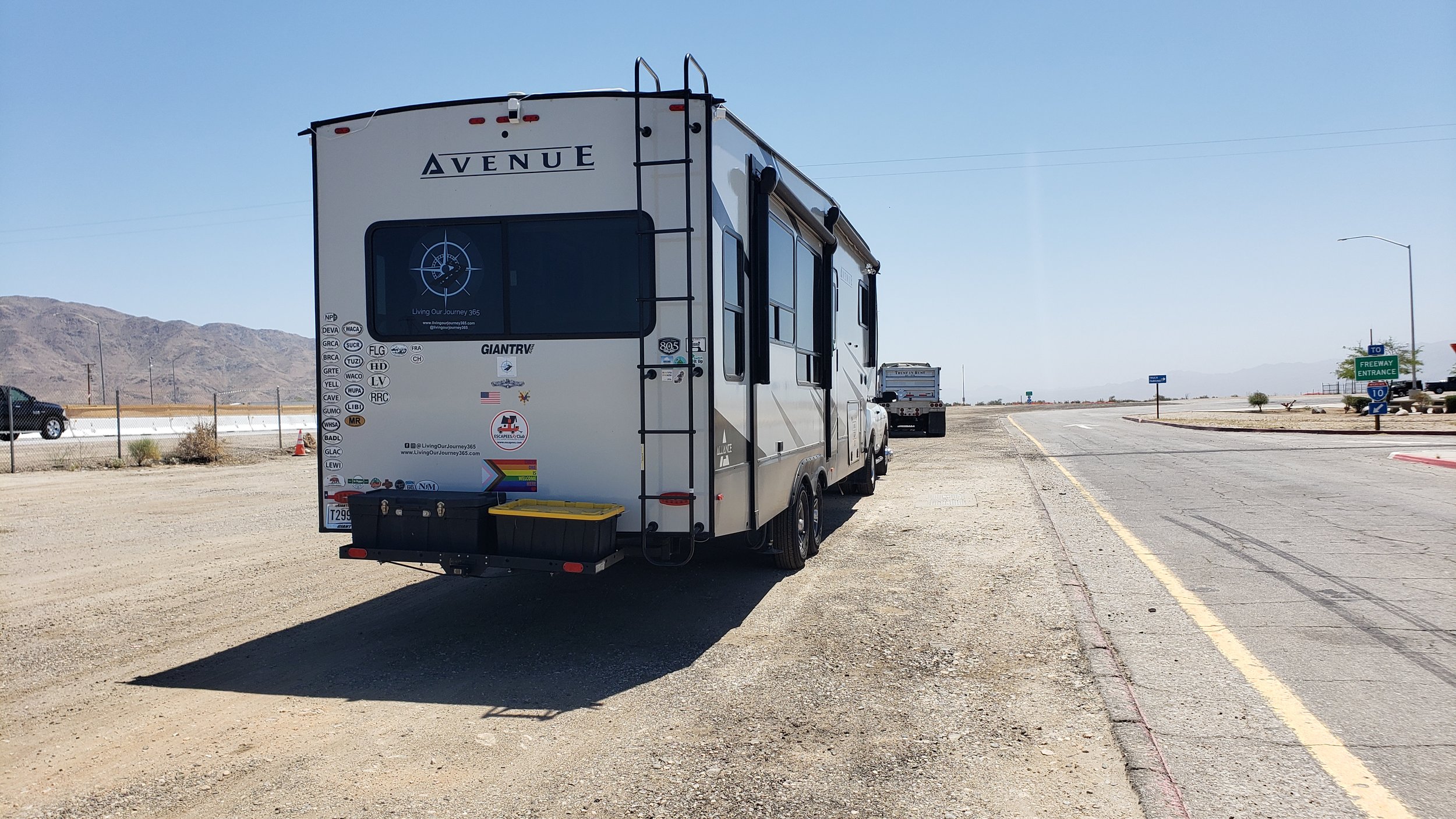

Hatfield Creek Winery Harvest Host stop
Hatfield Creek Vineyards in the Ramona Valley AVA, California, was established in 2006. Our winery was bonded and licensed in 2012. There are just over 3 acres planted in Petite Sirah and Zinfandel grapes. We offer you MEDAL WINNING wines. Please visit us Friday-Sunday for a tasting in our Tasting Room!
Harvest Host have you heard of it? Well Harvest Host is a program for rvers to be able to stop for the night at Farm’s, Wineries, Breweries, Museums, Golf Courses and some Churches. Its a great resource as you travel around the country to be able to stay at an unconventional spot other than a campground. The stay’s are usually filled with fun and relaxation and in this case a lot of really good wine. The Winery boasted a really neat museum about its beginnings and its owners. The tasting room and the grounds are very comfortable and inviting. If you are ever in or near Ramona, California and are looking for a great overnight this is one to consider.
We had a fantastic time at Hatfield Creek, we were able to have our daughter in her rv and a really good friend drove up to join us as well. We look forward to returning at some point. This was also part of the shakedown of our new Cargo Trailer Conversion that i put together over the last year and a half. There will be full feature of it at some point in the future of its build.